
The Gardener’s Archive: Why Every Sustainable Grower Needs an Analog Blueprint
In the world of modern horticulture, we often look to technology for solutions; automated irrigation, soil sensors, and weather apps. However, the most successful gardens are rarely built on algorithms; they are built on observation. Nature is a complex, non-linear teacher. Remembering the exact date a specific heirloom tomato thrived three years ago, or tracking how a particular organic mulch affected your soil’s pH, requires more than a passing thought. It requires a permanent, tactile record.
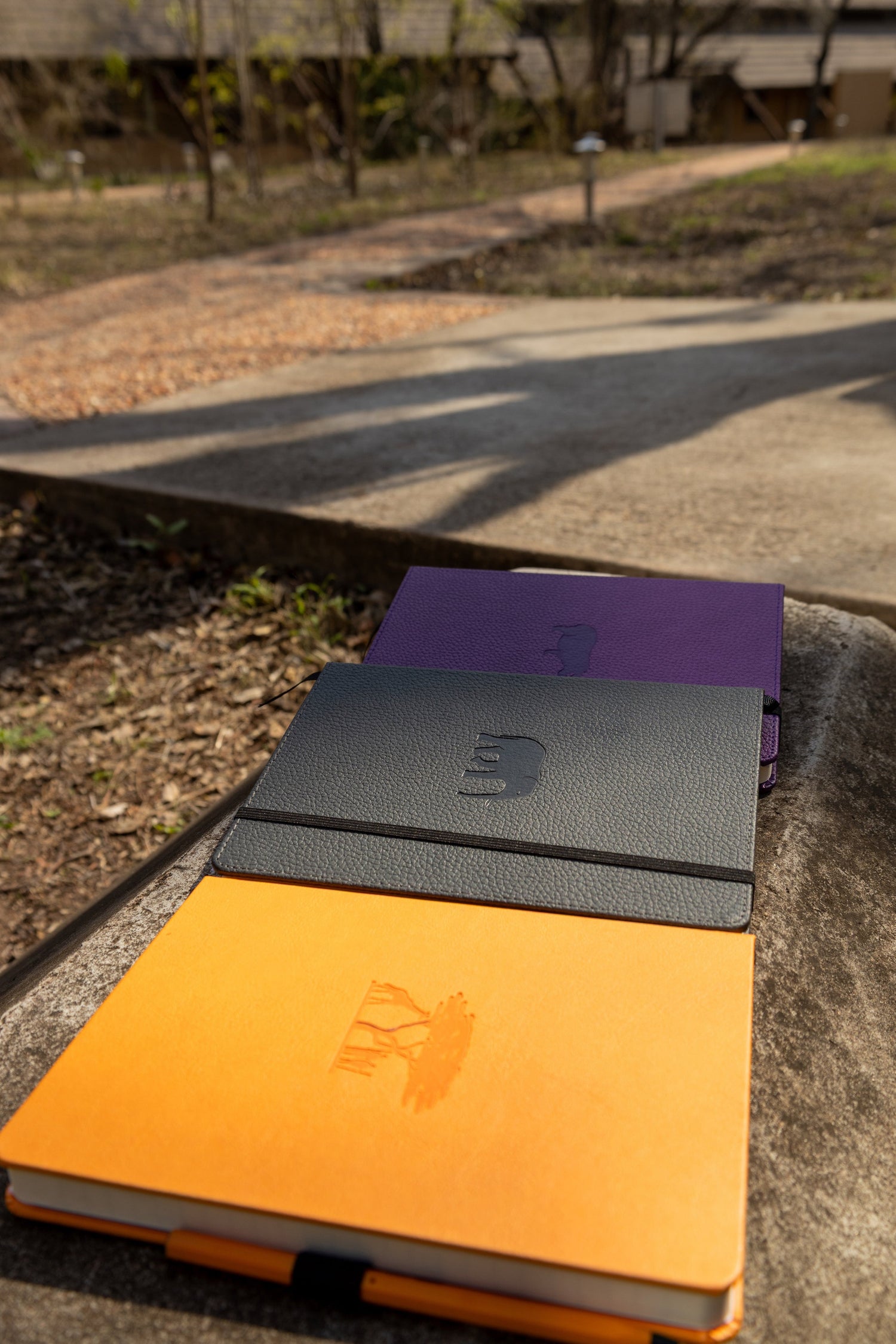
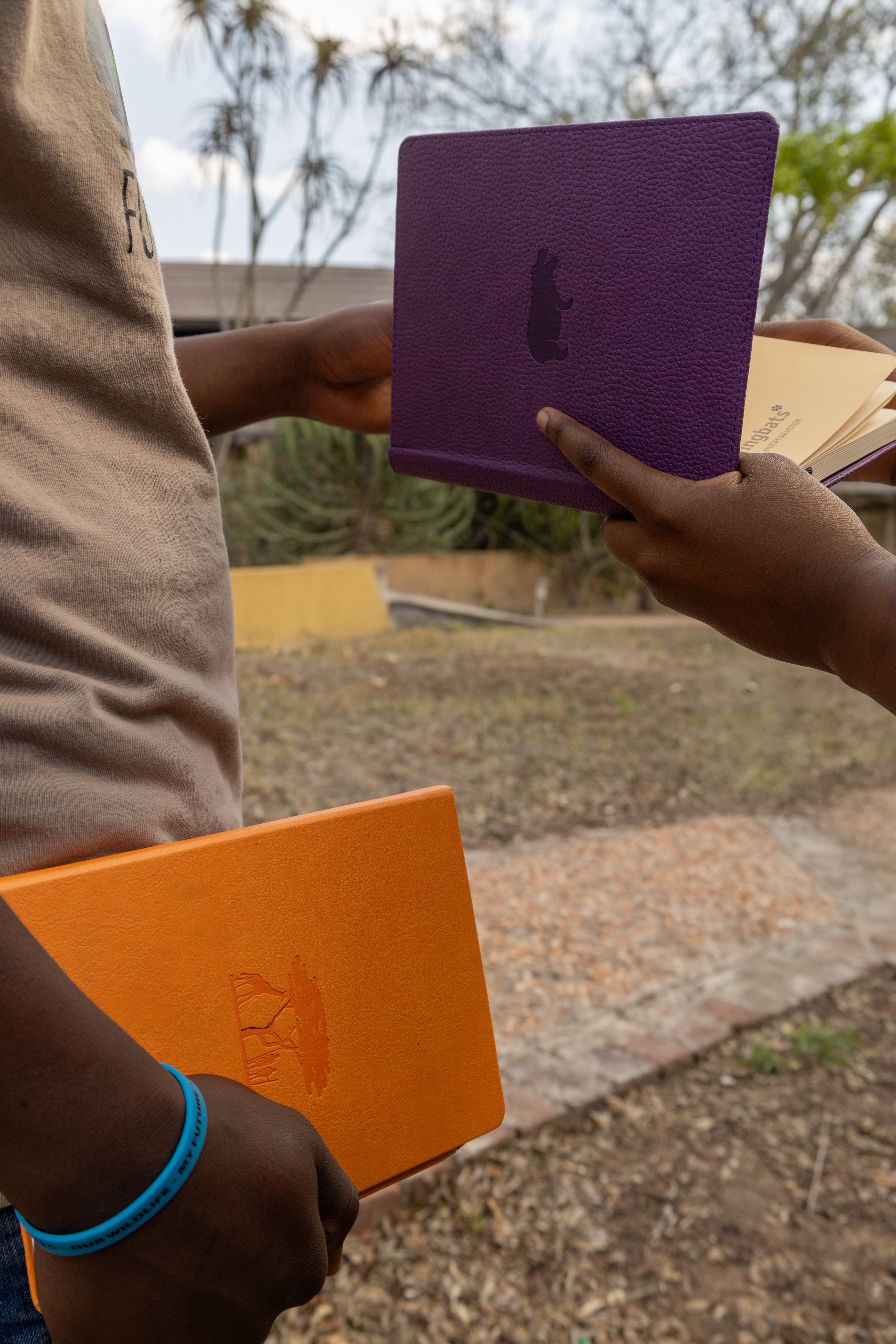
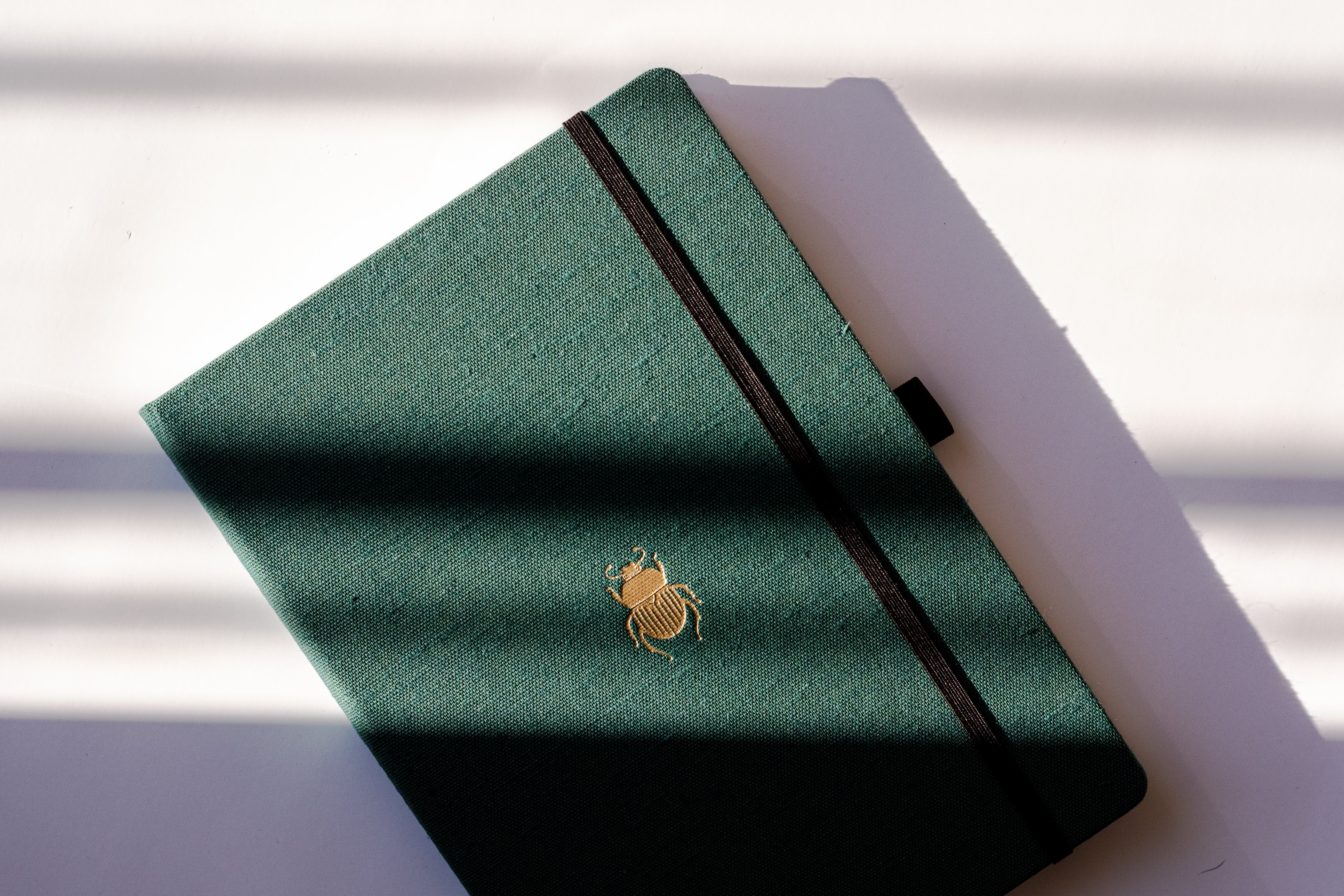
A garden journal is the "memory" of your soil. In the hands of an intentional grower, the Dingbats* A5+ Earth Collection is not just a notebook; it is a clinical tool for long-term ecological resilience.
The Cognitive Science: Why Physical Tracking is Essential
In the world of sustainable growing, data is only as good as its accessibility. While digital apps exist, they often fail to capture the nuances of a living ecosystem.
1. The Power of "Micro-Observation"
When you carry a notebook into the garden, you are performing an act of Phenology, the study of periodic plant and animal life cycle stages. By physically writing down that your elderberries bloomed four days earlier than last year, you are building a personal climate record. This manual entry forces the brain to "stop and see," allowing you to anticipate pest cycles and adjust sowing schedules with a level of precision that digital trackers often miss.
2. Building "Succession Intelligence"
The greatest gardens are built on the failures of previous years. A notebook allows you to perform a "Post-Mortem" on every crop. Did the powdery mildew hit because of poor airflow or a specific weather pattern? By documenting these variables in your Dingbats* Notebook, you turn a lost harvest into a vital lesson, ensuring that your "Succession Intelligence" grows every season.

3. Tactile Memory and Spatial Mapping
There is a profound neurological connection between the hand and the brain. Drawing your crop rotation plan or sketching the layout of your perennial borders helps encode that information in your long-term memory. The A5+ (15.5 x 21.5 cm) canvas provides the width required to create detailed, to-scale maps. This ensures you aren't planting heavy-feeding crops in the same depleted soil year after year.
Advanced Structuring: The 4 Pillars of a Garden Dashboard
Using the dotted grid of the Earth Collection, you can build a comprehensive management system that covers every aspect of your garden’s health:
Pillar 1: The Seed & Variety Inventory
Track the age, source, and germination rate of your seeds. This prevents the waste of planting "dud" seeds and helps you identify which suppliers provide the most resilient varieties for your specific micro-climate.
-
Pro-Tip: Use the extra width of the A5+ to create a "Flavor Profile" column, noting which varieties actually tasted the best at the dinner table.
Pillar 2: The Biodiversity & Pollinator Census
A garden is an ecosystem, not a factory. By using the key index on your Dingbats* Earth Notebook, dedicate a section to the wildlife that visits. Track the return of specific birds or the diversity of bee species. This transforms your garden from a food source into a monitored sanctuary, allowing you to see the direct impact of your organic practices.

Pillar 3: Soil Health & Amendment Logs
Healthy soil is a living organism. Record every time you add compost, mulch, or organic fertilizers. Note the activity of earthworms and the texture of the soil. Over time, you’ll see the direct correlation between these "deposits" and the vigor of your plants.
Pillar 4: The Harvest & Yield Tracker
Note the weight or quantity of what you produce. This is the ultimate "Return on Investment" tracker. Seeing the physical record of 20kg of potatoes or 50 jars of preserved tomatoes provides a psychological boost that sustains your motivation during the difficult winter months.
Why Dingbats* is the Definitive Ethical Choice for Growers
For those who spend their days with their hands in the earth, the ethics of their tools are as important as the quality of their seeds. We believe that a notebook used to plan a garden should be as sustainable as the garden itself.
1. FSC®-Certified Paper: Respecting the "Mother Forest"
The paper in your Dingbats* notebook is sourced from forests managed to the highest environmental and social standards. As a gardener, you understand that trees are the lungs of the planet. By using FSC-certified paper, you are ensuring that your journaling habit is not contributing to global deforestation or the destruction of ancient habitats.
2. V-Label Vegan: Justice for All Species
Many "premium" notebooks still rely on animal-derived glues or real leather covers. We are proud to be the only notebooks brand to be V-Label Vegan Certified. Our vegan leather covers provide the rugged durability required for outdoor use (protecting your notes from moisture and dirt) without the heavy environmental toll of the livestock industry.

3. 100gsm "Field-Ready" Durability
Growers need paper that can survive the reality of the potting shed. Our 100gsm acid-free paper is thick enough to handle damp fingers, the occasional splash of water, or heavy ink markers. Furthermore, because it is acid-free, your records won't yellow or degrade, preserving your garden's history for the next generation of growers.
4. Carbon Neutral Logistics
We recognize that shipping has an impact. Every Dingbats* notebook is delivered through carbon-neutral logistics. For the eco-conscious gardener, this means your "Life Admin" and "Garden Planning" remain as low-impact as the organic compost you brew in your backyard.
The Benefits of Long-Term Tracking
The true value of having a notebook dedicated to gardening is not found in the first month, but later down your gardening journey. When you can look back and see the patterns of nature—the way a late frost affected the fruit set or how a specific companion planting pair reduced pest pressure, you move from being a "hobbyist" to being a Steward of the Land.
Physical tracking provides:
- Reduced Stress: Offloading your "to-do" lists into a structured notebook ends the "Mental Load" of garden management.
- Increased Yields: Data-driven decisions lead to healthier plants and more abundant harvests.
- Tangible Legacy: Your notebook becomes a family heirloom, a guidebook for whoever tends your soil after you.
A Living Record of Resilience
A garden is never "finished"; it is a continuous dialogue between the human hand and the natural world. Your Dingbats* A5+ Earth Collection is the transcript of that dialogue. It is where your data meets your dreams, and where your mistakes become the fertilizer for future success.
This season, don't just grow plants. Grow a legacy.

Leave a comment
All comments are moderated before being published.
This site is protected by hCaptcha and the hCaptcha Privacy Policy and Terms of Service apply.