
The Digital Recipe Fatigue of 2026
In this digital era, finding a recipe is easier than ever, yet the experience of cooking has become increasingly frustrating. We’ve all been there: your phone screen keeps turning off while your hands are covered in flour; you’re scrolling through 3,000 words of "blog backstory" just to find the oven temperature; or worse, that incredible pasta recipe you bookmarked three years ago has suddenly disappeared because the website went offline.
Digital recipes are convenient, but they are fragile. They lack soul. They don't capture the "notes" you made (like "add extra garlic" or "bake for 5 minutes less").
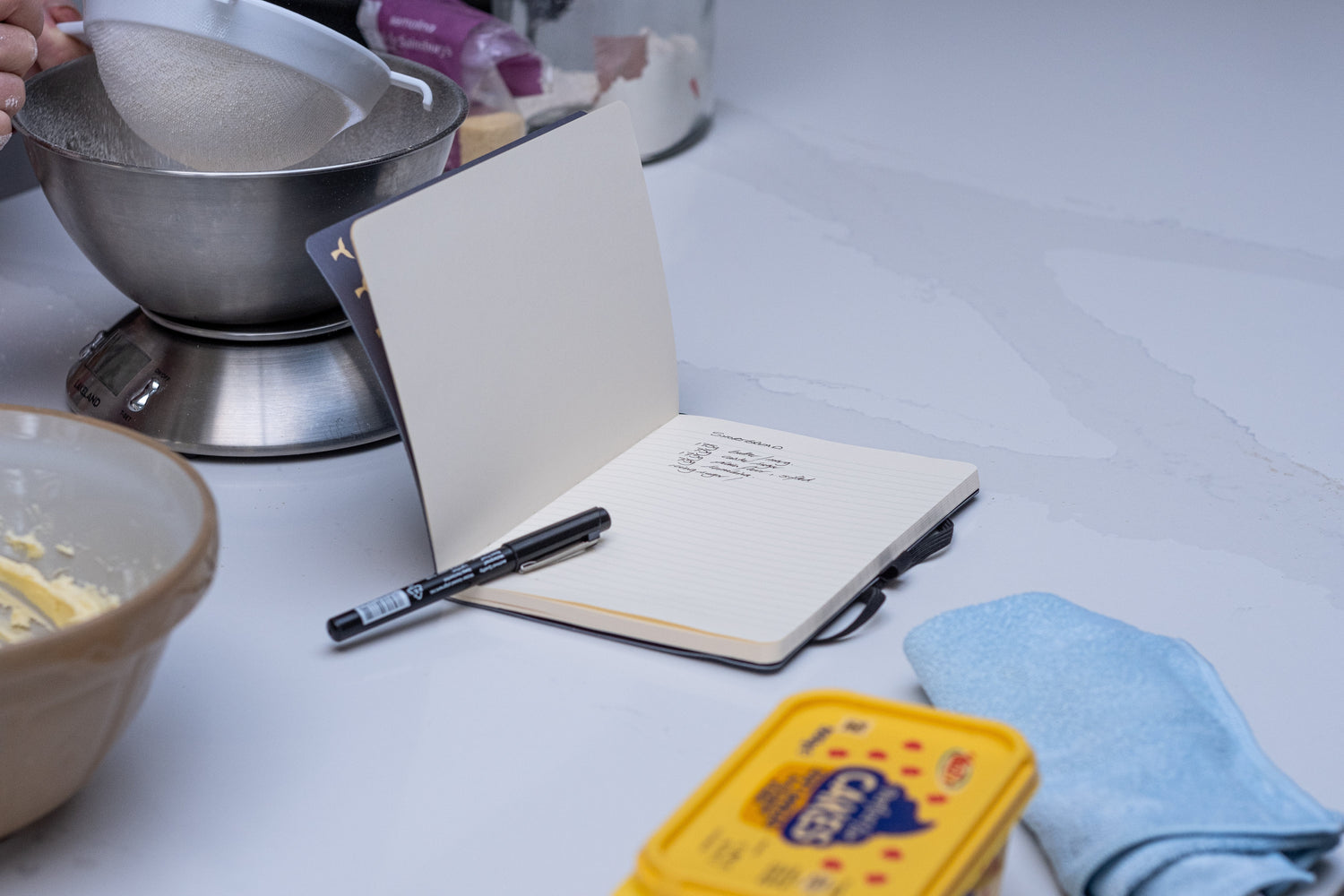
Having a notebook dedicated for recipes is the solution. It is a physical, tactile archive of the flavors that define your life. By using a Dingbats* Wildlife notebook, you aren't just making a list of ingredients; you are creating a culinary heirloom that can be passed down for generations.

Why the Softcover Wildlife is the Ultimate Kitchen Companion
A kitchen is a high-stakes environment for a notebook. There’s steam, heat, and the occasional splash of olive oil. Here is why Dingbats* Softcover is the "Chef’s Choice":
1. The "Wipe-Clean" Synthetic Leather
Our V-Label Vegan covers are incredibly resilient. Unlike cloth-bound journals that soak up every stain, the Dingbats* cover can be gently wiped down if a stray drop of sauce hits it. It’s built to survive the "battlefield" of a Sunday roast.
2. Acid-Free Paper for Longevity
Many people make the mistake of using cheap notebooks for recipes. Over 10–20 years, the high acid content in cheap paper causes it to turn yellow and brittle, eventually crumbling away. Dingbats* Wildlife Softcover uses 100gsm acid-free paper. This ensures that the handwriting of a parent or grandparent remains crisp and legible for fifty years or more.
3. The Softcover A5+ Dimensions (15.3 x 21.1 cm)
Standard A5 journals often don't have enough width to list ingredients on the left and instructions on the right. The extra width of the A5+ allows you to create a "Professional Chef" layout. You can have your "Mise en Place" (prep list) clearly separated from the "Method," making it easier to read at a glance while you’re actually cooking.

How to Structure Your 2026 Recipe Journal
Don't just write a list. Use your Dingbats* Softcover notebook to tell a story. Here is a 2026 layout guide:
The Header (Top of the Page)
- Title: Give it a name that matters (e.g., "Aunt Sarah’s Sunday Lasagna").
- Difficulty & Time: Use simple icons (a clock, a chef’s hat).
- The "Vibe": Is this a "Cozy Winter" meal or a "Summer Garden" feast?
The Sidebar (The A5+ Margin Advantage)
Use the extra margin space for "The Secrets." * Which brand of flour worked best
- What wine did you pair it with?
- Who was at the table the first time you made it?
The "Failures" Section
In the back of your Softcover Wildlife Notebook, keep a "Lessons Learned" log. Every great cook knows that failures are where the real learning happens. Note down the times a cake didn't rise or a sauce broke and why.
The Science of Sensory Memory
Why does handwriting a recipe feel different? In 2026, researchers in Sensory Marketing have found that we develop a deeper emotional connection to physical objects than digital ones.
When you see a hand-written recipe, your brain triggers Autobiographical Memory. You don't just remember the steps; you remember the kitchen you were in, the smell of the spices, and the people you were feeding. A digital PDF on a tablet can't trigger that "warmth." By using a Dingbats Softcover notebook, you are literally "encoding" your family's love into the pages.
Sustainability: From Farm to Notebook
At Dingbats*, we believe the food we eat and the paper we write on are part of the same ecosystem.
- FSC-Certified Paper: Just as you might shop for organic produce, using FSC paper ensures your kitchen practices are in harmony with the world’s forests.
- WWF-UK Partnership: Many of the animals and habitats on our covers, like the Elephant or the Great Barrier Reef, are threatened by the expansion of industrial agriculture. By choosing a notebook that gives back to WWF-UK, you are helping to protect the biodiversity that makes our food systems possible.

5 Creative Recipe Journal Prompts
- The "Inheritance" Spread: Transcribe a recipe from a relative exactly as they told it to you, including their specific quirks (like "a handful of flour" or "until it looks right").
- The Travel Taste: Use your A5+ Softcover Wildlife to recreate a dish you had on holiday. Paste in a photo of the original meal or the restaurant's business card.
- The Seasonal Harvest: Create a page for each month of the year listing what is in season in your area, and one "Go-To" recipe for that ingredient.
- The "Soundtrack" of the Dish: Write down the album or playlist you always listen to while making a specific meal.
- The Signature Dish: Dedicate the very first page of your journal to the one meal you want to be remembered for.
A Living Cookbook
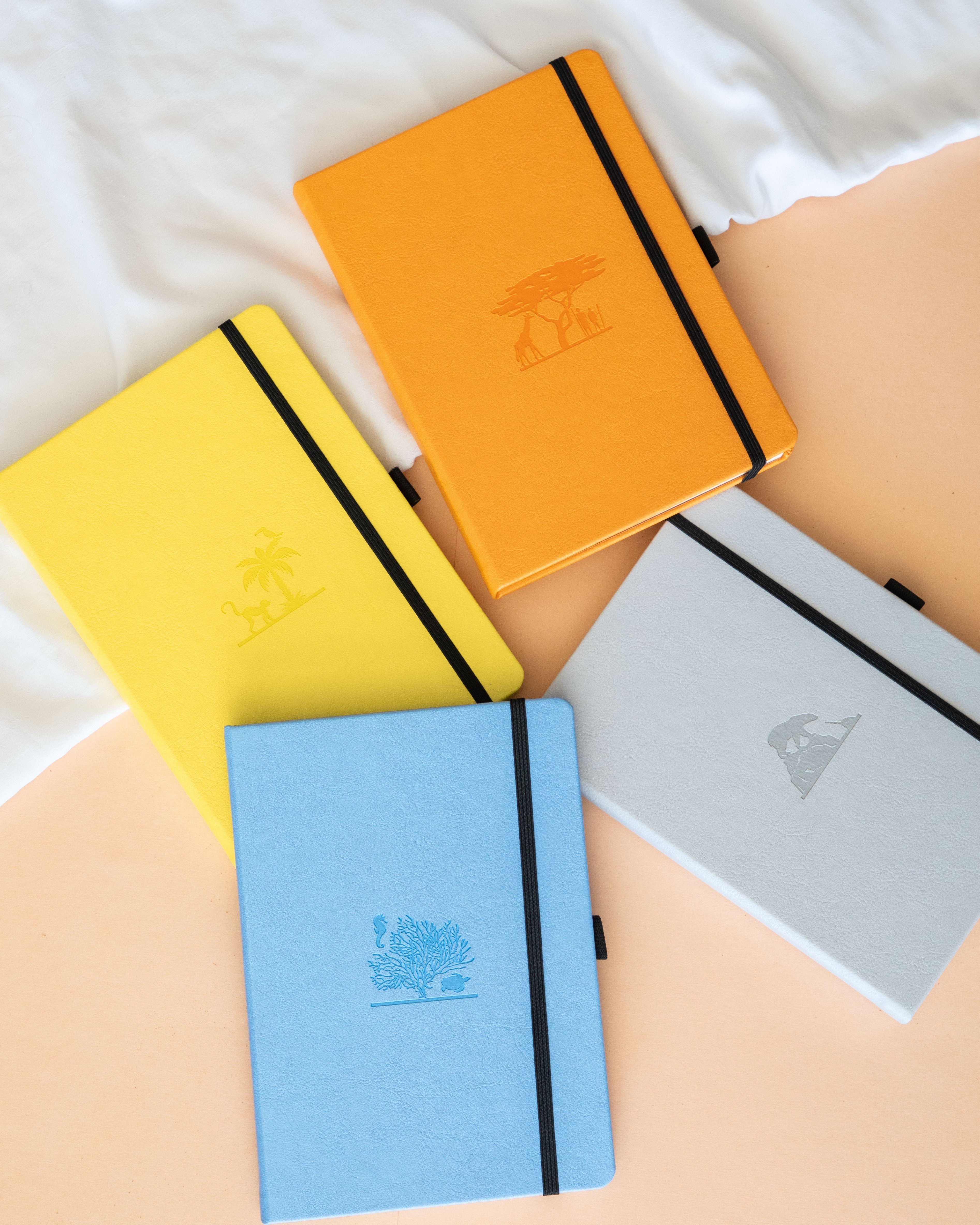
In a world of "disposable" content, having a notebook dedicated for recipes is an act of permanence. It is a slow, beautiful process of curation. Whether you are using the Sky Blue Great Barrier Reef (perfect for seafood recipes!) or the Orange Tiger (for spicy, bold flavors), your Dingbats* notebook will become the most valuable book in your kitchen.
Stop scrolling and start scribbling. Turn your kitchen into a place of history, one page at a time.

Leave a comment
All comments are moderated before being published.
This site is protected by hCaptcha and the hCaptcha Privacy Policy and Terms of Service apply.