
The Creative Shift: Beyond the Written Word
In 2026, the definition of "journaling" has expanded far beyond simple bulleted lists or morning pages. We are seeing a global surge in Mixed Media Journaling, a process that combines traditional writing with painting, collage, stamping, and sketching.
Why is this happening? Because sometimes, words are not enough. Sometimes, a mood is a color; a memory is a texture; and a goal is a complex map of images and icons. However, the biggest barrier to this creative freedom has always been the paper. Most notebooks on the market are designed for ballpoint pens, not for the "wet and heavy" materials that mixed media requires.
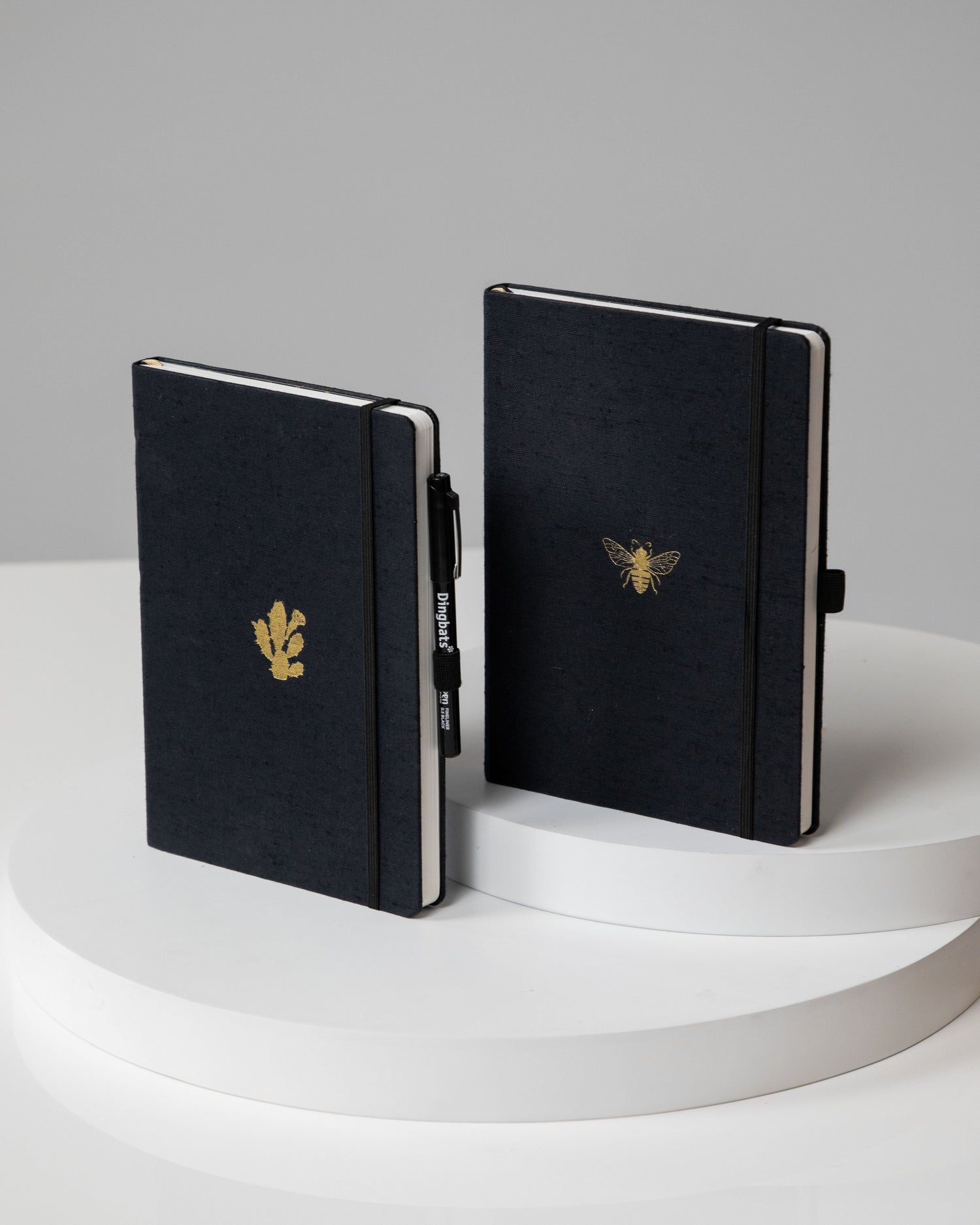
This is why the Dingbats* Pro Collection, with its ultra-thick 160gsm paper, has become the definitive canvas for the modern creative. It’s not just a notebook; it’s a portable studio that won't buckle under the weight of your imagination.

A Brief History: Who Started Mixed Media Journaling?
While "Mixed Media" feels like a modern term, the approach is as old as art itself. However, the specific practice of using a notebook as a mixed-media canvas was popularized by the "Visual Journaling" movement and the Dadaists in the early 20th century.
Artists like Kurt Schwitters began incorporating "found objects" (tram tickets, newspaper clippings, and string) into their journals to reflect the chaotic nature of the world. Later, in the mid-20th century, the Beat Generation writers and artists, such as Jack Kerouac and Brion Gysin, used notebooks to experiment with "cut-up" techniques and ink washes, blurring the line between literature and visual art.
Why was this approach recommended?
These pioneers believed that the human experience is multi-sensory. By combining text with image and texture, they were able to bypass the "logical" brain and tap into the subconscious. In 2026, we follow this same philosophy. We use mixed media because it allows for a "Total Expression" of the self.
The 160gsm Advantage: Why Paper Weight is Everything
If you’ve ever tried to apply watercolor or thick acrylic paint to a standard 80gsm or 100gsm notebook, you know the heartbreak of the "wrinkle."
1. Zero Buckling, Zero Bleeding
The 160gsm paper in the Dingbats* Pro B5 is roughly the weight of a light cardstock. This is the "Magic Number" for mixed media. It is thick enough to absorb moisture without the fibers of the paper breaking down. You can apply a wet wash of watercolor, let it dry, and the page will remain remarkably flat.

2. High Opacity
When you use heavy-duty markers or dark inks, "ghosting" (seeing the shadow of your work on the reverse side) is the enemy. 160gsm paper provides total opacity. This means you can create a vibrant, dark masterpiece on Page 12 and still have a pristine white surface on Page 13 for your next project.
3. Structural Integrity for "Add-ons"
Mixed media often involves "heavy" additions; pasting in thick cardstock, using heavy-duty double-sided tape, or even sewing into the paper with thread. The Pro Collection's paper has the tensile strength to hold these additions without tearing at the binding.
4 Mixed Media Techniques to Try in Your Dingbats* Pro
If you’re looking at your fresh 160gsm pages and wondering where to start, here are four techniques that 2026 creators are using to push the boundaries of journaling:
1. The Watercolor "Mood Wash"
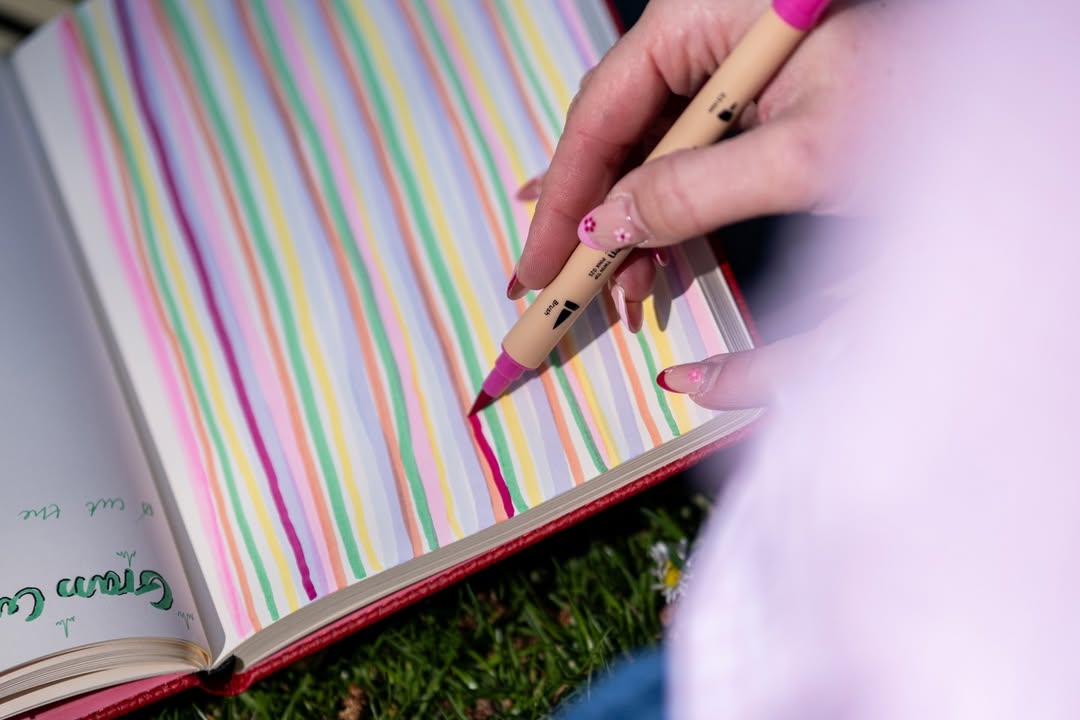
Instead of writing your morning pages on a white background, apply a light, transparent wash of watercolor over the Dotted Grid. Because our paper is acid-free, the colors will remain vibrant for decades. Once dry, write your thoughts over the top with a waterproof fineliner. The color sets the emotional tone of the entry before you even read a word.

2. The "Found Object" Collage
In the spirit of Kurt Schwitters, use your Pro B5 to document your day through objects. Glue down a sugar packet from a first date, a leaf from a park walk, or a snippet of a magazine that caught your eye. Use a "matte medium" or a strong glue stick; the 160gsm paper will support the weight easily.
3. Gesso and "Grunge" Backgrounds
For a more industrial, artistic look, apply a thin layer of white or clear Gesso to the page. Gesso acts as a primer, giving the paper a slightly "toothy" texture. You can then use "distress inks" or even coffee stains to create an aged, vintage look. The dotted grid will still be subtly visible, providing a guide for any text you add later.
4. Stamping and Stenciling
Many planners in 2026 use stamps for their weekly layouts. Our thinner 100gsm paper, can still withstand some mixed media, but they are recommended for fountain pen uses. On our premium 160gsm paper, the ink stays crisp. You can use large, heavy stamps and layered stencils to create a professional, "printed" look in your journal.
Why We Recommend the Mixed Media Approach
The most common question we get is: "But I'm not an artist, why should I do this?" The answer is that mixed media journaling is a mental health powerhouse.
- Lowering the Barrier to Entry: When you collage or use stamps, you don't have to be able to "draw" to create something beautiful. It removes the "performance anxiety" of a blank page.
- Sensory Grounding: The act of feeling the textures (the smoothness of the 160gsm paper, the stickiness of the glue, the wetness of the paint) is a powerful "grounding" exercise. It pulls you out of your head and into your body.
- Creative Problem Solving: Learning how to layer different materials teaches your brain to see connections between disparate ideas. This is a skill that transfers directly to your professional life.

Sustainability: The Ethical Canvas
At Dingbats*, we believe that art shouldn't cost the Earth. Our Pro Collection follows the same strict eco-ethics as our Wildlife and Earth ranges.
- FSC-Certified: Your mixed media experiments are supported by paper from responsibly managed forests.
- V-Label Vegan: The covers are 100% vegan, ensuring your creative "Action" is cruelty-free.
- WWF-UK Partnership: Every B5 Pro notebook contributes to global conservation. Whether you're painting a landscape or collaging a vision board, you are helping protect the planet's most vulnerable habitats.
The 2026 "Pro" Challenge: The 7-Layer Spread
We challenge you to create one double-page spread in your Dingbats* Pro using seven different materials.
- A watercolor wash.
- A stamped border.
- A handwritten quote.
- A pasted-in photo or ticket.
- A bit of washi tape.
- A doodle with a white gel pen.
- A "hidden" note tucked into an envelope.
Because you are using 160gsm paper, the notebook will handle this "sandwich" of creativity with ease, becoming a chunky, beautiful record of your life in 2026.

Reclaim Your Creative Freedom
Don't let thin paper dictate the limits of your expression. In 2026, the most rewarding journals are the ones that are messy, colorful, textured, and alive.
Whether you are an experienced artist or a beginner looking for a new way to de-stress, the Dingbats* Pro Collection offers the strength and quality you need to explore the world of mixed media. Stop just writing your story, start painting, gluing, and building it.


Leave a comment
All comments are moderated before being published.
This site is protected by hCaptcha and the hCaptcha Privacy Policy and Terms of Service apply.