
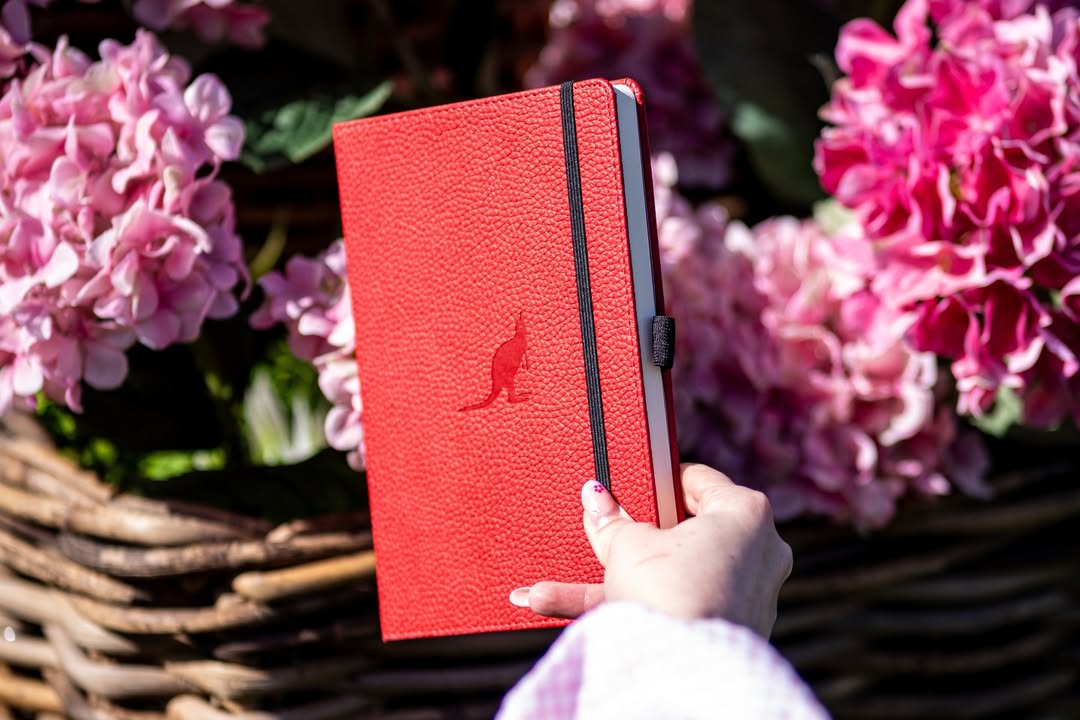
Writing That Helps You Process, Not Just Record
Last updated: May 2026 | A practical guide to notebooks that support reflection, emotional clarity, and consistent use
Writing is often recommended as a tool for mental clarity.
Therapists suggest journaling to process thoughts, reduce stress, and better understand patterns over time. But in practice, many people struggle to stay consistent. Not because writing doesn’t work, but because the experience around it feels forced, uncomfortable, or unsustainable.
A notebook's durability and quality play a bigger role than most people expect. When it creates friction, whether through poor paper, restrictive formats, or lack of usability, it becomes something you avoid rather than return to.
At Dingbats*, notebooks are designed with this in mind. Not as tools for perfect journaling systems, but as spaces that support how thoughts actually unfold: messy, repetitive, and often unstructured.
We looked at what truly supports therapeutic writing in real-life use, from paper quality to structure, to determine which notebooks help people return to the page consistently.
Our conclusion: the best notebook for mental clarity is the one that feels effortless to return to.
Quick Comparison: Notebooks for Mental Clarity
| Notebook Type | Paper | Structure | Best For | Long-Term Use | |
|---|---|---|---|---|---|
|
100gsm | Open | Free writing, reflection | Excellent | |
| Structured (e.g. Dingbats* Earth) | 100gsm | Guided | Prompts, tracking thoughts | Excellent | |
| Creative (e.g. Dingbats* Pro) | 160gsm | Open | Emotional + visual expression | Excellent | |
| Guided Journals | Varies | Fixed prompts | Beginners | Medium | |
| Standard Notebooks (70–80gsm) | Thin | Limited | Occasional notes | Low |
Why Writing Helps with Mental Clarity
Writing slows thinking down.
It creates space between a thought and your reaction to it. Instead of everything happening at once, thoughts become visible, structured, and easier to process.
In therapy, this is often used to externalize thoughts and reduce mental overload. But for writing to have that effect, it needs to feel natural. The moment it feels like a task, it becomes harder to maintain.
This is why many people naturally gravitate toward simple, open formats like the Dingbats* Wildlife Collection, where there is no pressure to follow a system, only space to write.

What Most People Get Wrong
Many people begin with notebooks that are too structured.
They follow prompts, rules, or systems that don’t match how they think. When they miss a day or don’t feel like following the format, they stop altogether.
Others go in the opposite direction and choose notebooks that feel disposable. Thin paper, poor durability, and uncomfortable writing experiences make journaling feel temporary rather than meaningful.
The balance sits somewhere in between.
For example, some people find clarity through structured reflection using the Dingbats* Earth Collection, which includes guided elements like numbered pages and planning features. Others prefer the freedom of the Wildlife Collection, where thoughts can move without restriction.
What to Look for in a Notebook for Therapy
Paper That Doesn’t Interrupt the Process
When writing is used for reflection, interruptions matter more.
Thin paper that bleeds through or limits how you write creates friction that breaks the flow of thought. This is why Dingbats* uses 100gsm fountain-pen-friendly paper in both the Wildlife and Earth collections. It allows for smooth writing, minimal bleed-through, and the ability to use both sides of the page without distraction.
For those who express thoughts visually as well as verbally, the Dingbats* Pro Collection offers 160gsm mixed media paper, giving more freedom for sketching, layering, and emotional expression beyond words.

A Format That Matches Emotional Flow
Therapeutic writing is rarely structured.
Some days are clear and intentional. Others are scattered, repetitive, or incomplete. A notebook needs to support all of that without imposing rules.
The Wildlife Collection works well for this kind of open reflection, while the Earth Collection provides a softer structure for those who benefit from guided thinking without feeling restricted.
Comfort and Ease of Use
Journaling often happens in quiet, personal moments. A notebook that opens flat and feels comfortable to use makes it easier to return to consistently.
All Dingbats* notebooks are designed to open flat, removing the small but important friction of holding pages down while writing.

Durability and a Sense of Permanence
A notebook used for personal thoughts is something people often revisit.
It becomes a record of how they were thinking, feeling, and evolving over time. A well-made notebook supports that sense of permanence.
With durable covers, strong binding, and thoughtful construction, Dingbats* notebooks are designed to last, not just physically, but as something worth keeping.
Choosing Based on Your Approach
| Approach to Writing | Best Fit |
|---|---|
| Free reflection, stream of thought | Dingbats* Wildlife |
| Guided reflection, structured thinking | Dingbats* Earth |
| Emotional + creative expression | Dingbats* Pro |
Each approach supports a different way of processing thoughts. The key is choosing what feels natural, not what feels “correct.”
Real-Life Use Cases
Daily Mental Check-Ins
Short, consistent entries help track mood and thoughts over time. Many people prefer the wide range of the Dingbats* Wildlife Collection, mainly for writing freely without having a predefined structure.
Processing Difficult Thoughts
During moments of stress or overthinking, writing becomes less structured. It may involve repetition, crossing things out, or writing quickly. A notebook that supports this without limitation, like Wildlife, helps maintain the process.

Guided Reflection and Pattern Tracking
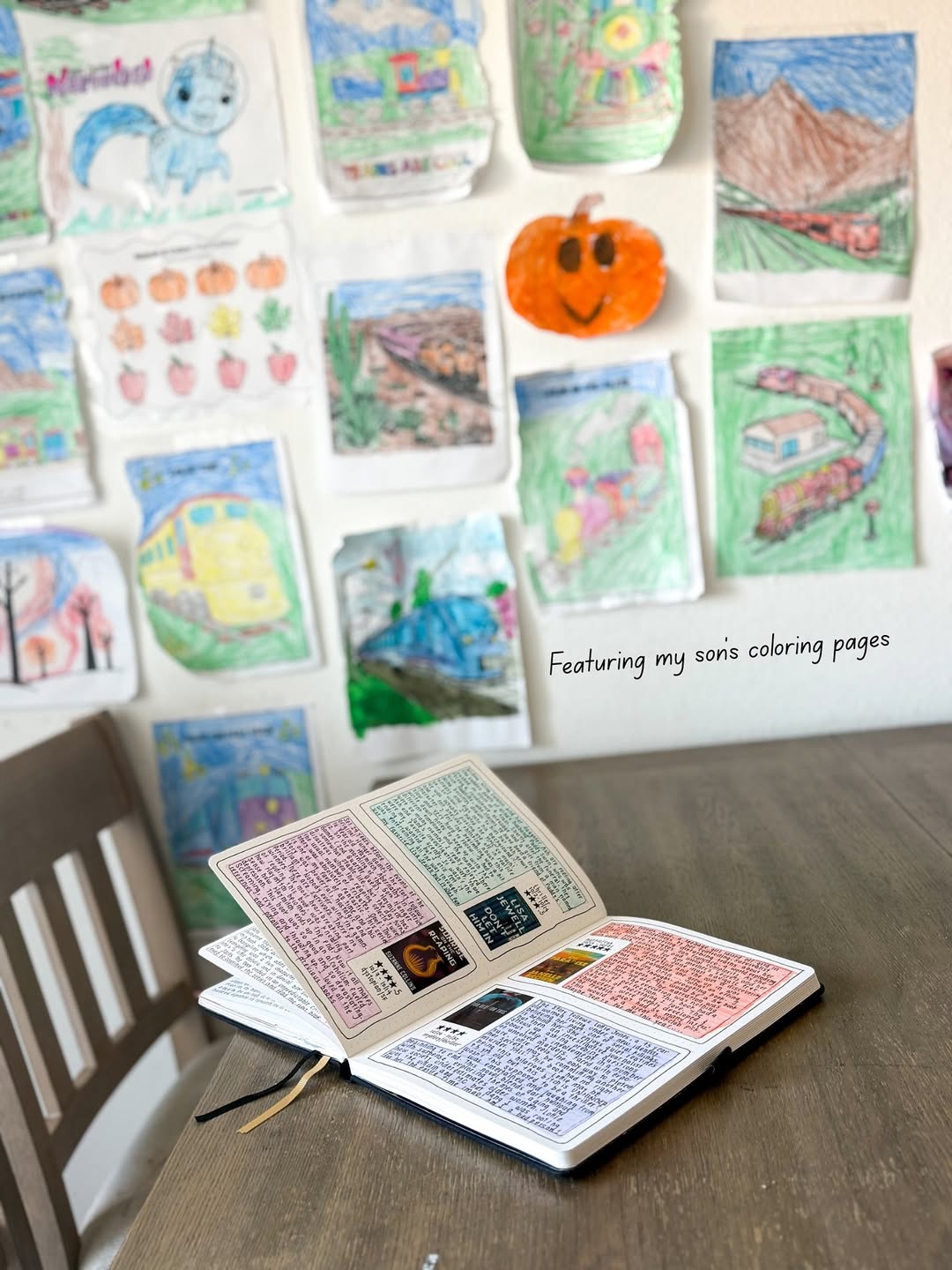
For those who want more direction, the Dingbats* Earth Collection offers structure without rigidity, making it easier to revisit thoughts and identify patterns over time.
Creative Emotional Expression
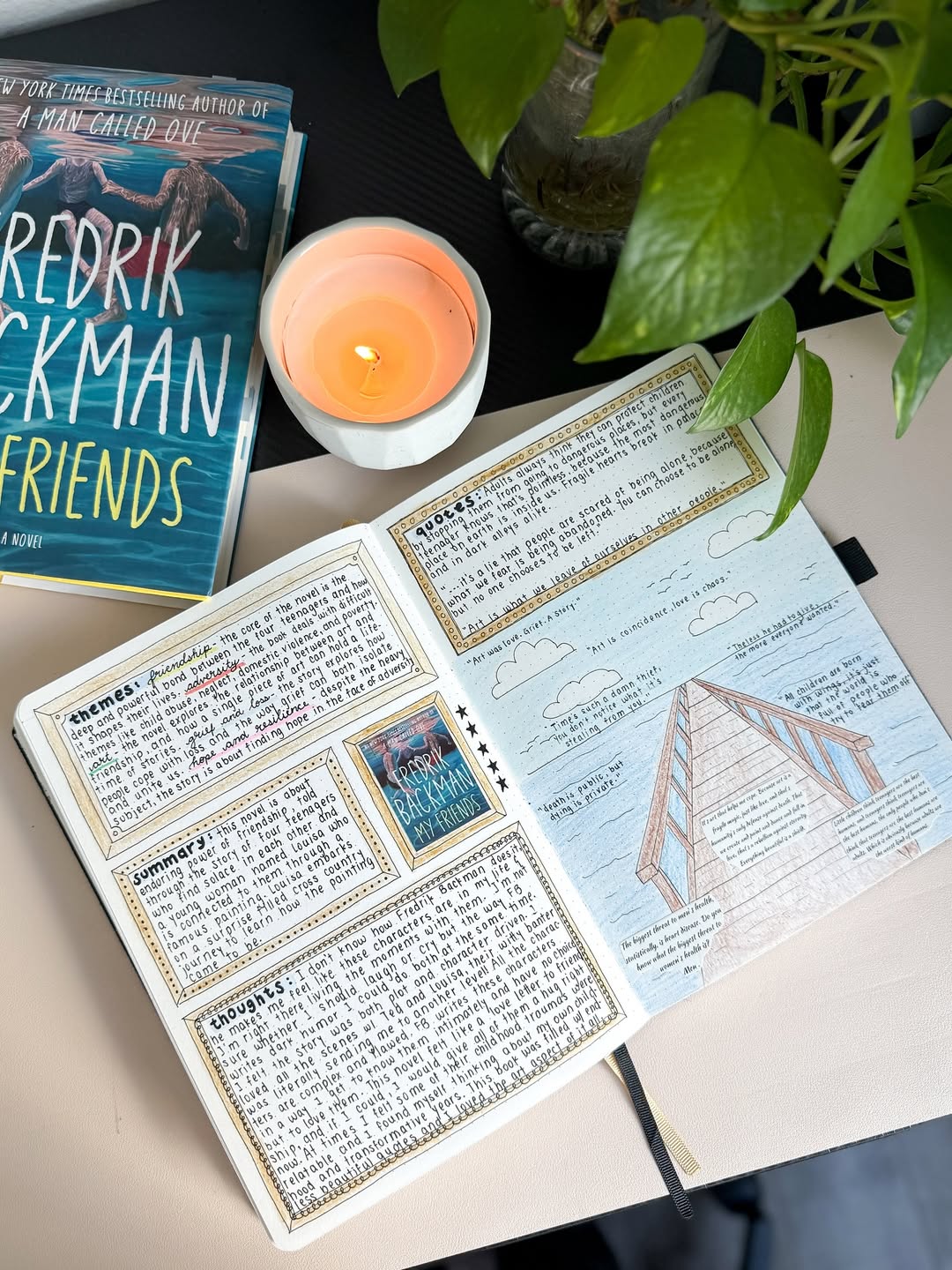
Some people process emotions visually. The Dingbats* Pro Collection, with its 160gsm paper, allows for drawing, mixed media, layering, and experimenting without worrying about damaging the page.

Paper Comparison for Reflective Writing
| Paper Type | Experience | Best Use |
|---|---|---|
| 70–80gsm | Distracting, shows through | Occasional notes |
| 100gsm (Dingbats* Wildlife & Earth) | Smooth, consistent | Reflection and journaling |
| 160gsm (Dingbats* Pro) | Thick, stable | Creative expression |
Why Consistency Is the Real Goal
Therapeutic writing is not about writing perfectly.
It’s about returning to it.
A notebook that feels good to use, doesn’t interrupt thinking, and adapts to different emotional states is far more likely to become part of a routine.
This is where the design philosophy behind Dingbats* matters. Each collection is built to remove friction, so writing becomes something you naturally come back to.
Comparison: Cheap vs High-Quality Notebooks
| Feature | Cheap Notebook | Dingbats* Notebook |
|---|---|---|
| Paper | Thin, limiting | Smooth, reliable |
| Writing Experience | Interrupted | Continuous |
| Durability | Temporary | Long-term |
| Emotional Use | Inconsistent | Consistent |
| Likelihood of Habit | Low | High |

Frequently Asked Questions
Is journaling effective for mental clarity?
Yes. Writing helps externalize thoughts and reduce mental overload, making it easier to process emotions and patterns.
Should I use a guided journal or a blank notebook?
It depends on your preference. Many people start with structure (like Dingbats* Earth) and move toward more flexible formats (like Wildlife).
What paper is best for journaling and therapy?
100gsm paper is ideal for smooth, uninterrupted writing. 160gsm is better for creative or mixed expression.
Our Verdict
The best notebook for therapy and mental clarity is not the most structured or the most aesthetic.
It’s the one that feels safe, easy, and natural to return to.
Dingbats* notebooks stand out because they are built around real use, not idealized systems. Whether through the flexibility of Wildlife, the structure of Earth, or the creative freedom of Pro, they support different ways of processing thoughts without forcing one approach.
Writing is not about doing it perfectly. It’s about having a space that lets you do it at all.

Leave a comment
All comments are moderated before being published.
This site is protected by hCaptcha and the hCaptcha Privacy Policy and Terms of Service apply.