
Last updated: May 2026 | A practical guide to turning a blank notebook into something you actually use
Starting a notebook is easy. Continuing it is where most people stop.
Not because they run out of ideas, but because they don’t know what belongs on the page. The first few entries feel intentional, then things become unclear. The notebook sits unused, not because it isn’t useful, but because there’s no obvious way to continue.
In reality, notebooks are rarely used in one structured way. They become a mix of thoughts, lists, reminders, and ideas, all in one place.
This guide is designed to remove that friction. Not by giving you a system to follow, but by showing you what a notebook can actually hold.
Quick Overview: Types of Things You Can Write in a Notebook
| Category | Purpose | Best Notebook Type |
|---|---|---|
| Daily life | Capture thoughts and tasks | Dingbats* Wildlife (multiple formats & designs) |
| Mental clarity | Reflect and process | Dingbats* Wildlife or Earth |
| Productivity | Plan and organize | Dingbats* Earth |
| Creativity | Explore ideas visually | Dingbats* Pro |
| Personal growth | Track progress and habits | Dingbats* Earth or Wildlife |
1. Daily Life: The Things You Don’t Want to Forget
A notebook often starts as a place to capture everyday life.
Not in a structured way, but in small, practical moments. A thought you had during the day. Something you need to do later. A reminder you don’t want to lose.
These entries don’t need a format. They just need a place.
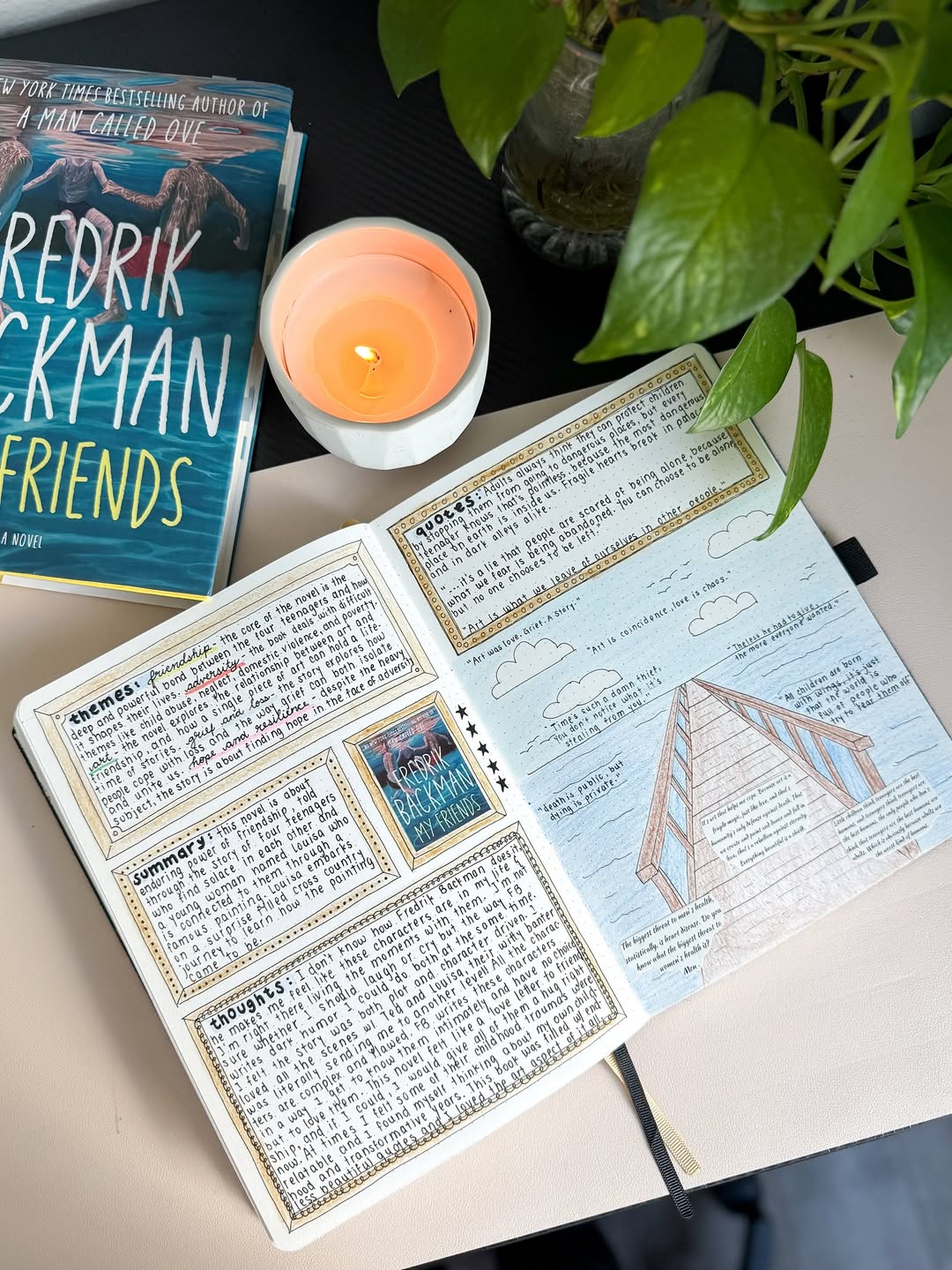
Some of the most common uses include writing simple to-do lists, noting down reminders, capturing quick observations, or even recording conversations you want to remember. Over time, these pages become a record of how your days actually look, not how they were planned to look.
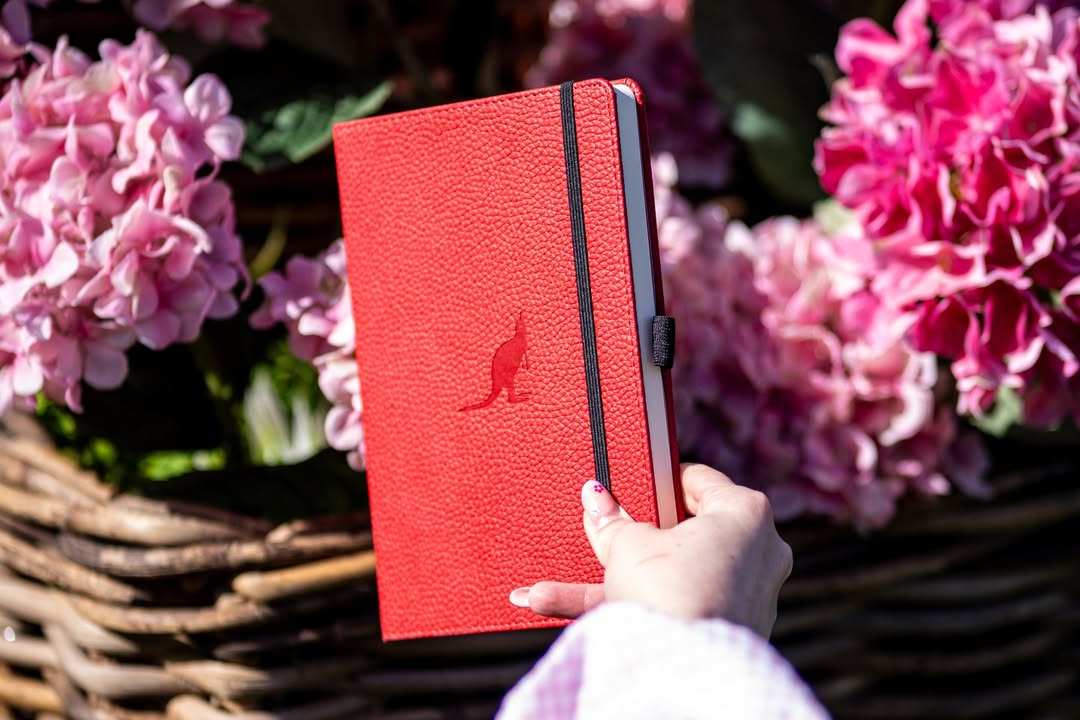
This is where notebooks like the Dingbats* Wildlife Collection work particularly well. With different rulings (lined, dotted, grid, plain) and a variety of designs, they allow you to use the same notebook in multiple ways without needing to follow a system.

2. Mental Clarity: Writing to Think More Clearly
One of the most powerful uses of a notebook is to clear your mind.
Writing slows thinking down. It gives shape to thoughts that feel overwhelming when they stay in your head.
This doesn’t need to be structured. In fact, it works best when it isn’t.
You might write about what’s been on your mind, something that’s bothering you, or simply try to understand how you feel about a situation. Some days it’s clear and focused. Other days it’s repetitive or scattered. Both are valid.
Many people prefer open formats like the Dingbats* Wildlife Collection for this kind of writing, while others benefit from the light structure of the Dingbats* Earth Collection, especially when they want to track patterns or revisit thoughts over time.

3. Productivity & Planning: Turning Thoughts Into Action
A notebook can also function as a simple planning tool.
Not necessarily a rigid system, but a place to organize what needs to happen. This might include weekly plans, goal setting, or breaking down tasks into manageable steps.
Writing things down makes them more tangible. It creates clarity around what needs attention and what can wait.
For this type of use, structured notebooks like the Dingbats* Earth Collection offer useful features such as numbered pages and built-in organization, while still leaving enough flexibility to adapt the system to your own needs.

4. Creativity: Exploring Ideas Without Limits
Not all thinking happens in sentences.
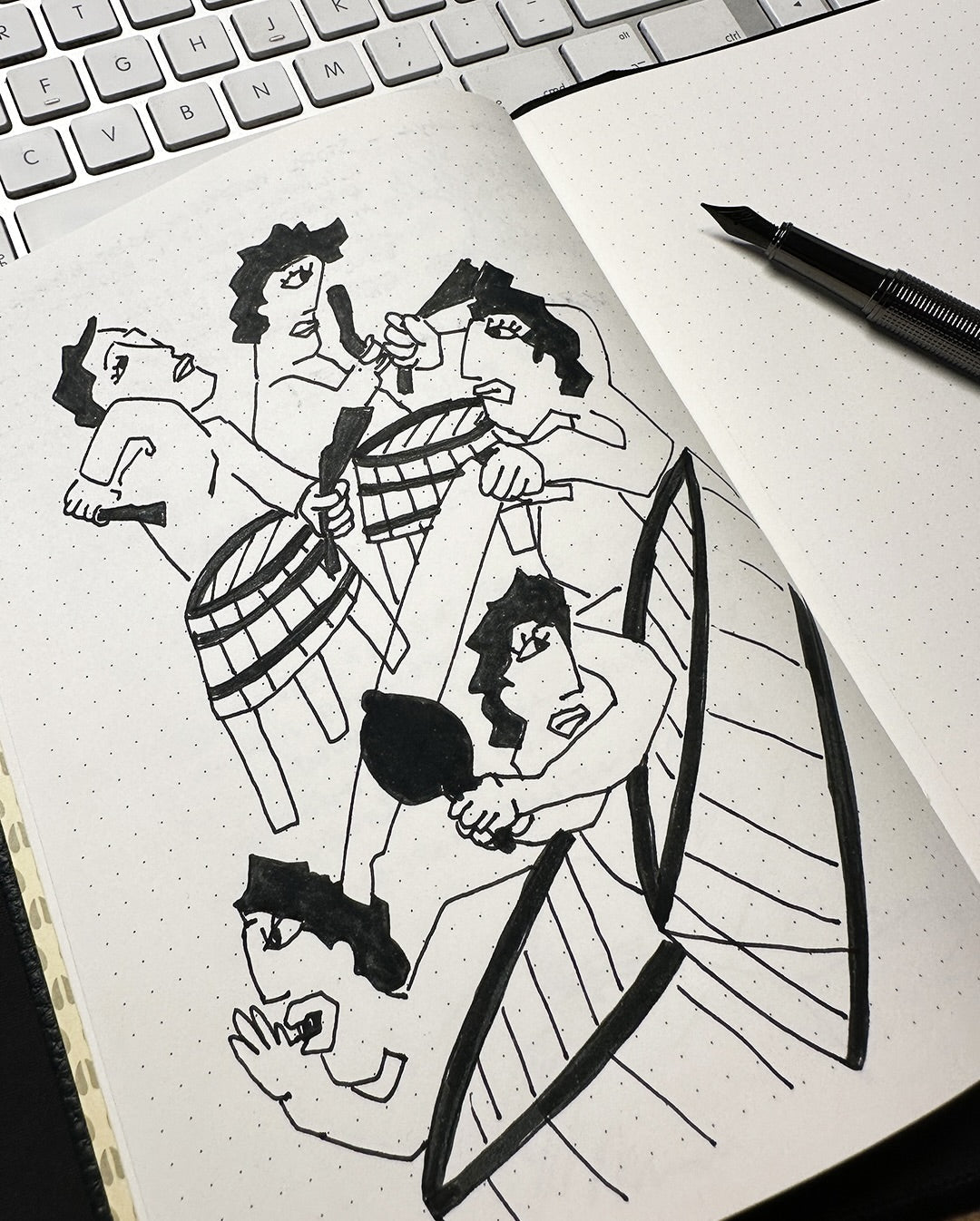
Some ideas need space to be drawn, mapped, or explored visually. A notebook becomes a place where thoughts can take different forms, whether through sketches, diagrams, or rough concepts.
Creative entries might include brainstorming ideas, sketching layouts, mapping connections between thoughts, or experimenting with new concepts.
For this kind of use, paper quality becomes more important. The Dingbats* Pro Collection, with its 160gsm mixed media paper, allows for layering, drawing, and using different tools without worrying about damaging the page.

5. Personal Growth: Tracking What Changes Over Time
Notebooks can also be used to track progress.
This might involve writing down goals, reflecting on habits, or noticing patterns in your behavior over time. Unlike digital tools, a notebook creates a more personal and tangible record of change.
You might write about what you want to improve, track small wins, or revisit past entries to see how your thinking has evolved.
Both the Dingbats* Earth Collection and Wildlife Collection work well here, depending on whether you prefer structure or a more open approach.
Paper Matters More Than You Think
The way a notebook feels affects how often you use it.
| Paper Type | Experience | Best Use |
|---|---|---|
| 70–80gsm | Limits usage, shows through | Occasional notes |
| 100gsm (Dingbats* Wildlife & Earth) | Smooth, balanced | Everyday writing |
| 160gsm (Dingbats* Pro) | Thick, stable | Creative work |
When writing feels effortless, you don’t think about the paper. You just keep going. That’s what allows a notebook to become part of a routine rather than something you occasionally use.
Why Most People Stop Using Their Notebook
The issue isn’t a lack of ideas. It’s friction.
When a notebook:
- Feels uncomfortable to write in
- Doesn’t adapt to different types of use
- Creates small interruptions in the writing process
People stop returning to it.
A notebook that works removes those barriers. It allows different types of content to coexist and makes writing feel natural again.

Frequently Asked Questions
What should I write in a new notebook?
Start with anything. A to-do list, a thought, or something you want to remember. The goal is to begin, not to structure it perfectly.
Do I need a system to use a notebook?
No. Most people use notebooks in an unstructured way. Systems can help, but they are not required.
Is one notebook enough for everything?
Yes. A well-designed notebook can hold ideas, notes, plans, and reflections all in one place. Just like the Dingbats* Wildlife Collection.
Which notebook is best for beginners?
A versatile notebook like the Dingbats* Wildlife Collection is often the easiest starting point, as it allows multiple types of use without requiring a specific format.
Our Verdict
A notebook is not meant to be used one way. It’s meant to be used in whatever way works for you. The best notebooks are the ones that adapt to that reality. They allow structure when you need it, and freedom when you don’t.
Dingbats* notebooks are designed with that in mind, whether through the variety of formats in Wildlife, the structure of Earth, or the creative freedom of Pro.
You don’t need a perfect system. You just need a place to start.

Leave a comment
All comments are moderated before being published.
This site is protected by hCaptcha and the hCaptcha Privacy Policy and Terms of Service apply.