
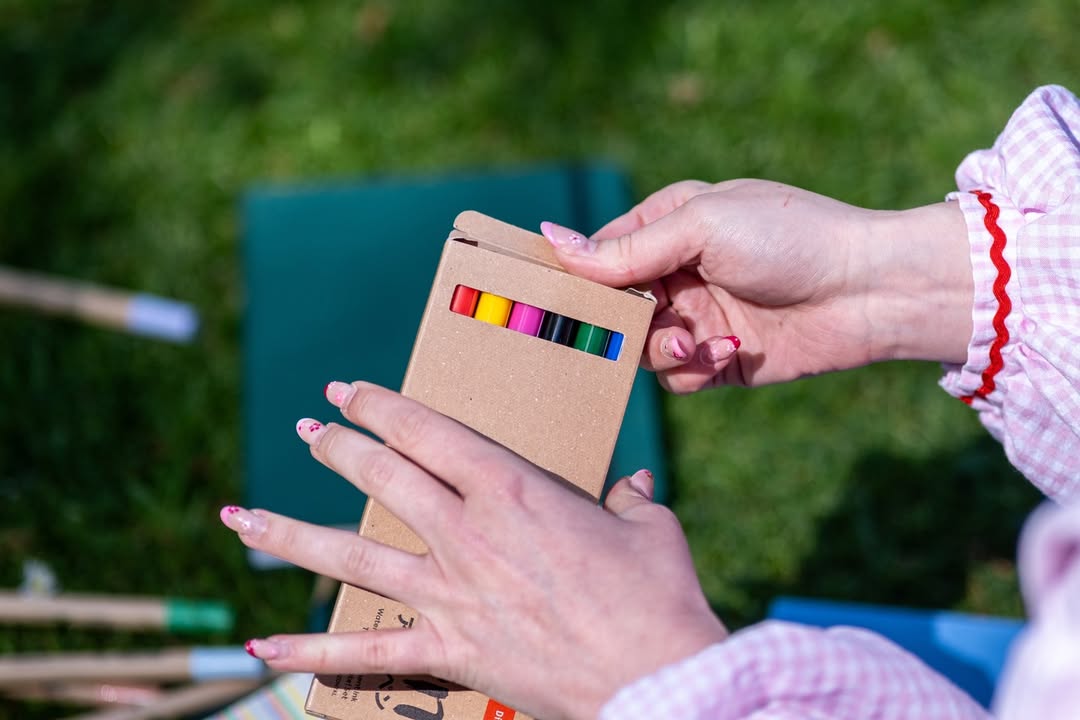
Last updated: May 2026 | A practical guide to noticing more on walks, runs, hikes, and everyday outings
Nature journaling is not about being an artist. It is not about knowing the name of every bird, plant, insect, or tree. It is not about creating perfect sketches or writing poetic descriptions of every walk.
At its simplest, nature journaling is the practice of paying attention.
It is a way to record what you see, hear, feel, and wonder when you are outside. That could be on a hike, during a morning run, on a walk through your neighborhood, at the beach, in a park, or even from a balcony or window.
What makes it powerful is that it turns ordinary moments into observations. A bird flying low. A strange leaf shape. The way the air feels before rain. A route that felt different from last week. A flower that appeared suddenly on the same street you pass every day.
In a world where people are looking for slower, more grounded hobbies, nature journaling gives you a simple way to reconnect with the world around you. Birdwatching, for example, has seen a major resurgence among younger people, with recent UK reporting citing RSPB research that found participation among 16–29-year-olds has risen sharply since 2018.
At Dingbats*, this kind of observation feels close to the heart of the brand. The Wildlife Collection is built around animals, nature, and everyday exploration. The Pro Collection gives creative nature studies room to develop through sketching and mixed media. The Earth Collection supports more structured tracking, from seasonal logs to walking routines and monthly nature observations.
Nature journaling is not about doing it perfectly. It is about noticing more.
Quick Overview: Nature Journaling and the Best Dingbats* Notebook for Each
| Nature Journaling Style | What It Looks Like | Best Dingbats* Fit |
|---|---|---|
| Everyday field notes | Quick observations from walks, runs, parks, cafés, and daily outings | Wildlife Collection |
| Birdwatching log | Bird sightings, location, time, behavior, sound | Wildlife Collection |
| Plant observation | Leaves, flowers, seasonal changes, growth notes | Wildlife or Pro Collection |
| Nature sketching | Animals, textures, landscapes, shells, bark, feathers | Pro Collection |
| Seasonal tracking | Monthly changes, weather, outdoor routines, nature patterns | Earth Collection |
| Walking or running reflection | Route notes, weather, thoughts, body cues, scenery | Wildlife or Earth Collection |
The strongest nature journal is not the most detailed one. It is the one you actually bring with you, open often, and use honestly.
What Is Nature Journaling?
Nature journaling is the practice of recording observations from the natural world using words, sketches, numbers, lists, and questions.
A page might include a drawing of a leaf, a note about the weather, a bird you noticed, a color you saw, a question you had, or a few lines about how the walk felt. It can be scientific, creative, reflective, or all three.
The Natural History Museum describes nature journaling as a combination of mindful attention and simple biological recording. Its “Notes from Nature” approach pairs the 5-4-3-2-1 grounding technique with the basics of observation: who, where, when, and what.
That framework makes nature journaling feel accessible. You do not need to know everything. You simply start by noticing something.
For example, instead of writing “went for a walk,” you might write:
“Warm evening. Saw three birds gathered near the same tree. The air smelled like jasmine. One yellow flower had opened near the curb since yesterday.”
That is nature journaling.
Not complicated. Just specific.

Why Nature Journaling Works
Nature journaling works because it slows you down.
When you stop to record something, you pay attention differently. You look closer. You listen longer. You notice patterns you would normally pass by.
Research on nature exposure has linked time in natural environments with benefits across attention, stress, mood, and wellbeing. A review of nature experiences found benefits including reduced stress and anxiety, lower heart rate, and improved directed attention. Another large review noted associations between nature exposure and decreases in anxiety and rumination, among other health-related outcomes.
Nature journaling adds another layer to this because it turns exposure into active attention. You are not just outside. You are observing.
That matters because attention is a skill. The more you practice noticing, the more there is to notice.
Why Dingbats* Wildlife Is the Natural Starting Point
The Dingbats* Wildlife Collection is the most natural starting point for this habit.
It already carries the spirit of observation. Each cover is connected to an animal, making the notebook feel like a companion for noticing the living world. The collection also comes in different formats, rulings, sizes, and designs, which makes it easy to choose a version that fits how you want to observe.
An A6 Wildlife notebook can work well as a pocket field notebook for walks, hikes, errands, or travel. An A5+ Wildlife notebook gives more room for longer reflections, sketches, lists, and repeated observations. A lined Wildlife notebook works well for written notes. A dotted Wildlife notebook supports mixed use. A grid Wildlife notebook is useful for logs and observation tables. A plain Wildlife notebook gives more freedom for sketches and visual field notes.
Nature journaling does not need to be precious. The best notebook is one that feels easy to carry and easy to use.

Nature Journaling Ideas for Beginners
A nature journal can begin with one small observation.
You do not need a full page. You do not need a drawing. You do not even need to know the name of what you saw.
Start with what is directly in front of you.
You can record the date, location, weather, one thing you noticed, one sound you heard, one question you had, and one feeling from the outing. Over time, these simple notes become a record of place, season, and attention.
A beginner entry might look like this:
| Prompt | Example |
|---|---|
| Date | May 20, 2026 |
| Place | Neighborhood walk |
| Weather | Warm, slightly windy |
| I noticed | Small purple flowers growing between stones |
| I heard | Birds, cars, leaves moving |
| I wondered | Why these flowers grow only on this side of the street |
| Feeling | Calmer after walking |
This is enough.
The goal is not to document everything. The goal is to start noticing something.
Field Notes for Walks
Walks are one of the easiest ways to begin nature journaling because they are already part of daily life.
You can journal during the walk, after the walk, or when you get home. The important thing is to record small details before they disappear.
A walking field note might include the route, weather, plants you noticed, birds or animals you saw, colors, smells, sounds, and changes from the last time you walked there.
The Wildlife Collection works especially well for walking notes because it can be carried easily and used in different ways depending on the ruling. Lined pages are useful for reflections. Dotted or grid pages are helpful for lists and small observation boxes. Plain pages allow quick sketches.
Example:
“Same route as last week. More flowers near the corner. One cat sleeping under the parked car. Air felt humid. The trees near the café are fuller now. Heard birds before seeing them.”
This kind of entry may seem simple, but over time it becomes a record of your surroundings changing.

Field Notes for Runs
Running creates a different kind of nature journal.
It is not only about what you see. It is also about what you feel in your body, how the weather affects you, what thoughts come up, and how the route changes from day to day.
For runners, nature journaling can sit somewhere between a training log and a reflection journal.
A running entry might include the route, distance, weather, energy, body cues, one natural detail, and one thought from the run.
| Prompt | Example |
|---|---|
| Route | Seafront loop |
| Weather | Humid, warm |
| Body | Heavy legs for first 2 km |
| Nature detail | Orange sky, stray cats near the rocks |
| Thought | I felt better after slowing down |
| Next time | Start easier and warm up longer |
The Earth Collection works well if you want to track running patterns more systematically, while the Wildlife Collection works well if you prefer more open reflection after each run.
This is useful because numbers do not tell the whole story. Pace, distance, and time matter, but so do weather, mood, energy, and environment.
Birdwatching Notes
Birdwatching is one of the most natural partners for field notes.
You do not need binoculars or expert knowledge to begin. You can simply record what you saw, where you saw it, what it was doing, and what you noticed about its movement or sound.
A birdwatching note might look like this:
| Prompt | Example |
|---|---|
| Bird | Small brown bird, possibly sparrow |
| Time | 7:15 AM |
| Location | Tree near the corner |
| Behavior | Hopping between branches, then flew low |
| Sound | Short, quick chirps |
| Question | Is it nesting nearby? |
The Wildlife Collection is especially fitting here because of its connection to animals and conservation. It gives birdwatching a dedicated place without making the practice feel intimidating.
Over time, you might start recognizing repeated birds, seasonal patterns, or changes in behavior.
Plant Observation Notes
Plants are easy to overlook because they do not move quickly.
But that is exactly what makes them good subjects for nature journaling. They reward repeated attention.
You can observe one tree, one flower bed, one balcony plant, or one patch of grass over time. Note when leaves appear, when flowers open, when colors change, when insects arrive, or when the plant looks different after rain.
The Earth Collection can work well for plant tracking because its structure supports repeated logs and monthly observation pages. The Pro Collection is better if you want to sketch leaves, flowers, textures, and growth patterns in more detail.
Example:
“The same plant near the wall has three new flowers today. Leaves look darker after yesterday’s rain. One bee stayed on the flowers for a few seconds before moving on.”
This kind of entry turns a familiar plant into something you actually know.

Nature Sketching
Nature sketching does not require artistic skill.
It is less about making a beautiful drawing and more about looking closely. Drawing a leaf forces you to notice its shape. Drawing a shell makes you notice its ridges. Drawing a bird makes you notice posture, movement, and proportion.
The Dingbats* Pro Collection is the best fit for nature sketching because its 160gsm mixed media paper supports pencil, fineliner, brush pens, layering, and light washes. It gives the page enough strength for creative studies.

Nature sketching ideas include:
| Subject | What to Notice |
|---|---|
| Leaf | Shape, veins, edges, color |
| Tree bark | Texture, cracks, patterns |
| Feather | Lines, softness, direction |
| Shell | Curves, ridges, color changes |
| Flower | Petal shape, center, stem |
| Insect | Legs, wings, movement |
A simple sketch with two written observations is already a strong nature journal page.
Seasonal Tracking
Seasonal tracking is one of the most satisfying forms of nature journaling because it shows change over time.
You can track the first signs of spring, the hottest days of summer, the arrival of certain birds, changes in light, flowering patterns, or how your favorite walking route changes month by month.
The Earth Collection works beautifully for this because it has structure, numbered pages, and planning features. You can create monthly nature logs, seasonal trackers, or recurring observation pages.
A simple seasonal tracker might include:
| Month | What Changed | What I Noticed |
|---|---|---|
| March | More flowers | First bees near the garden |
| April | Warmer mornings | Birds louder before sunrise |
| May | Longer evenings | Trees fuller, more insects |
| June | Drier air | Grass turning lighter |
This type of page is useful because it turns small observations into a longer story.
Beach, Park, and Travel Field Notes
Nature journaling does not only happen in forests or mountains.
It can happen at the beach, in a city park, on a road trip, outside a café, or while traveling. Every place has natural details if you know how to look.
At the beach, you might record shells, waves, wind, water color, rocks, birds, seaweed, or textures in the sand. In a park, you might record trees, insects, flowers, sounds, and people interacting with the space. While traveling, you might record unfamiliar plants, animals, landscapes, or weather patterns.
The Wildlife Collection works well for travel and everyday field notes because it is versatile and easy to use. The Pro Collection is better when you want to create visual pages with sketches, colors, or textures.
Example:
“Beach was windy today. Water looked grey-blue, not bright. Found a small shell with a pink edge. Saw birds moving together near the rocks. Sand felt cooler near the water.”
This is not just a note. It is a memory with texture.
A Simple Nature Journaling Template
When you do not know what to write, use a template.
The Natural History Museum’s approach of combining mindful attention with clear observation is a useful starting point. It encourages noticing through the senses while also recording basic details such as who, where, when, and what.
Here is a simple version:
| Prompt | Your Notes |
|---|---|
| Date | |
| Time | |
| Place | |
| Weather | |
| I saw | |
| I heard | |
| I felt | |
| I wondered | |
| One detail to remember | |
| Sketch or color |
This can be used in any Dingbats* notebook, but each collection gives it a different feeling.
Use Wildlife for everyday field notes.
Use Earth for structured tracking.
Use Pro for sketching and visual observation.
How to Choose the Right Dingbats* Notebook for Nature Journaling
| If You Want To… | Best Dingbats* Fit | Why |
|---|---|---|
| Carry a notebook on walks | Wildlife A6 or A5+ | Portable, versatile, animal-inspired |
| Write reflections after runs | Wildlife or Earth | Open reflection or structured tracking |
| Sketch plants, animals, and textures | Pro Collection | 160gsm paper supports creative media |
| Track seasonal changes | Earth Collection | Structure, numbered pages, planning features |
| Record birdwatching notes | Wildlife Collection | Natural connection to animals and observation |
| Build a long-term nature log | Earth Collection | Easy to organize repeated entries |
The best choice depends on how you observe.
If you mostly write, choose Wildlife.
If you mostly track, choose Earth.
If you mostly sketch, choose Pro.
Nature Journaling Prompts
Nature journaling becomes easier when you have prompts ready.
Here are simple prompts you can return to:
| Prompt | Example Direction |
|---|---|
| What changed since the last time I was here? | Look for light, plants, sounds, weather |
| What is one thing I saw but cannot name? | Describe it anyway |
| What sound was most noticeable? | Birdsong, wind, insects, water, traffic |
| What color appeared most often? | Green, brown, yellow, blue, grey |
| What did the air feel like? | Warm, dry, heavy, fresh, humid |
| What was moving? | Birds, leaves, clouds, people, water |
| What stayed still? | Rocks, trees, shadows, buildings |
| What do I want to look up later? | A plant, bird, insect, or pattern |
| What did this place feel like today? | Calm, busy, bright, quiet, alive |
These prompts help you begin without needing to know what the page should become.
Frequently Asked Questions
What is nature journaling?
Nature journaling is the practice of recording observations from the natural world using words, sketches, numbers, lists, and questions. It can include plants, animals, weather, landscapes, sounds, textures, and personal reflections.
Do I need to be good at drawing to nature journal?
No. Drawing can help you notice details, but it is not required. You can nature journal with words, lists, tables, questions, or simple sketches.
What should I write in a nature journal?
Start with the date, place, weather, what you saw, what you heard, what changed, and one thing you wondered. Small observations are enough.
Which Dingbats* notebook is best for nature journaling?
The Wildlife Collection is best for everyday field notes, birdwatching, walks, and observations. The Pro Collection is best for nature sketching and mixed media pages. The Earth Collection is best for seasonal tracking, running logs, and structured nature observation.
Can I nature journal in a city?
Yes. Nature journaling can happen anywhere: city streets, parks, balconies, beaches, gardens, or sidewalks. Birds, plants, weather, light, and seasonal changes exist even in urban spaces.
Our Verdict
Nature journaling is not about escaping somewhere wild. It is about noticing the wildness that already exists around you. A bird on a wire. A tree changing slowly. A flower growing through pavement. A sky that looks different from yesterday. A running route that feels new because you finally paid attention.
Dingbats* notebooks support this habit in different ways. The Wildlife Collection is the natural everyday field notebook, rooted in animal-inspired design and observation. The Pro Collection gives nature sketches, textures, and visual studies more room to develop. The Earth Collection helps organize seasonal patterns, walking routines, running reflections, and long-term logs.
Nature journaling does not ask you to be an expert.
It only asks you to look closer.


Leave a comment
All comments are moderated before being published.
This site is protected by hCaptcha and the hCaptcha Privacy Policy and Terms of Service apply.