
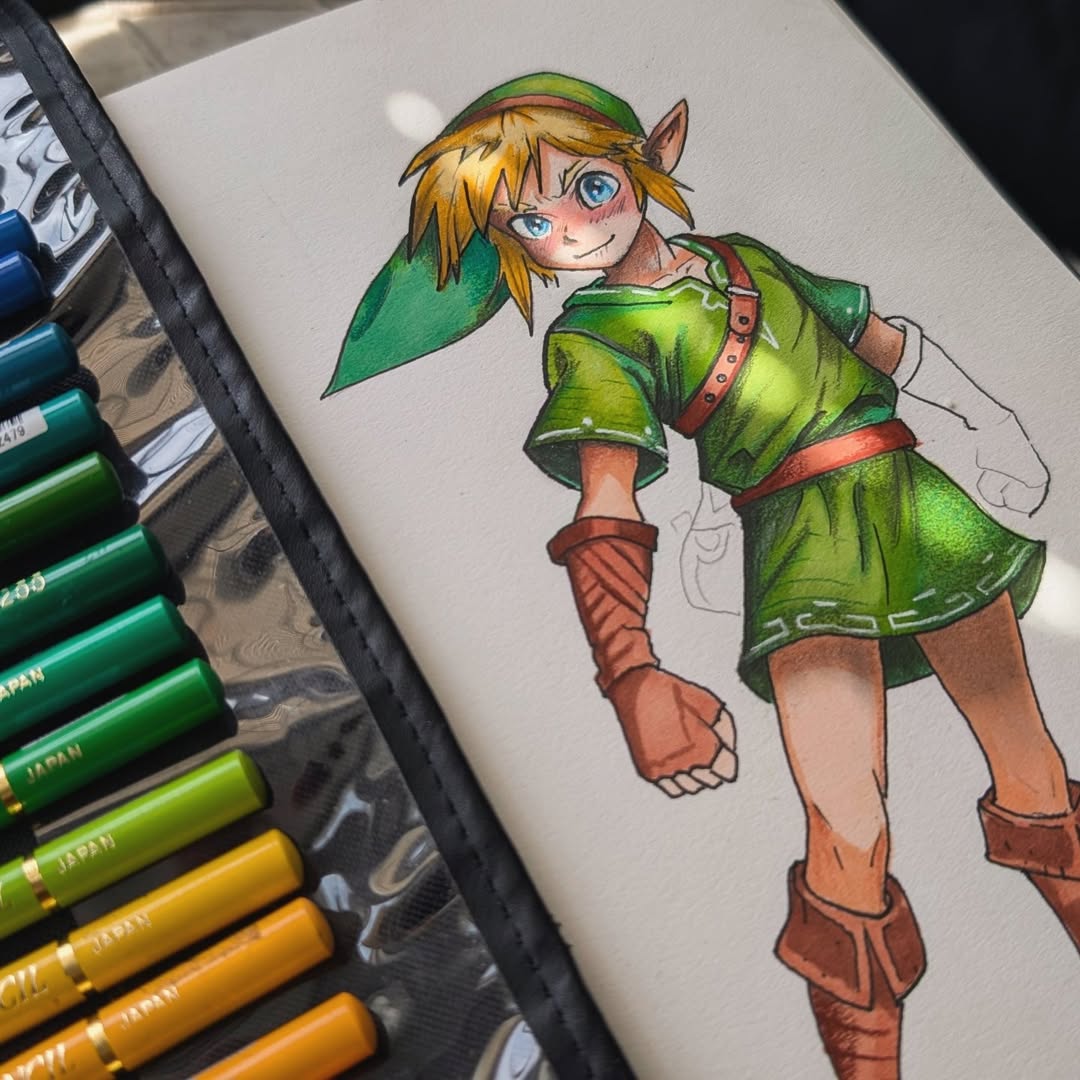
Last updated: May 2026 | A practical guide to creative hobbies that help you slow down, make something real, and build a meaningful routine
Not every hobby needs to become a skill, a side hustle, or something you share with other people.
Sometimes, the value of a hobby is simply that it gives your mind and hands somewhere to go.
Creative hobbies are becoming more relevant because people are looking for activities that feel tactile, personal, and satisfying. Michaels’ 2026 Creativity Trend Report found that searches for analog hobbies such as knitting, crocheting, embroidery, journaling, and painting have surged 136% over the past six months.
But the best creative hobby is not necessarily the trendiest one. It is the one you can return to without pressure.
A notebook can support that process because it gives your ideas, experiments, progress, and reflections a physical place to develop. At Dingbats*, each collection supports a different kind of creative process. The Pro Collection is built for mixed media, sketching, layering, and visual experimentation. The Wildlife Collection works well for everyday ideas, writing, observation, and creative notes. The Earth Collection helps turn creative ideas into structure, with space for planning, tracking, and organizing projects over time.
Quick Overview: Creative Hobbies and the Best Dingbats* Notebook for Each
| Creative Hobby | What It Helps With | Best Dingbats* Fit |
|---|---|---|
| Sketching | Visual thinking, observation, practice | Pro Collection |
| Watercolor journaling | Color, mood, creative expression | Pro Collection |
| Creative writing | Ideas, scenes, poetry, essays | Wildlife Collection |
| Nature observation | Noticing details, slow attention | Wildlife Collection |
| Bullet journaling | Structure, tracking, layouts | Earth Collection |
| Color palette collecting | Visual references, inspiration, creative taste | Pro or Wildlife Collection |
| Pattern and texture studies | Observation, detail, design thinking | Pro or Wildlife Collection |
| Collage / junk journaling | Memory keeping, visual storytelling | Pro Collection |
| Creative planning | Turning ideas into projects | Earth or Pro Collection |
| Hand lettering | Shape, spacing, expressive writing | Pro Collection |
| Recipe notes | Food experiments, creative documentation | Wildlife or Earth Collection |
| Field notes | Curiosity, observation, real-life inspiration | Wildlife Collection |
The strongest hobby is not the most impressive one. It is the one that gives you a reason to keep coming back.
Why Creative Hobbies Matter
Creative hobbies give people a way to make something without needing it to be perfect.
That matters because many parts of daily life are goal-driven. Work has deadlines. Fitness has progress markers. Social life has expectations. A creative hobby can be different. It can be a space where the process matters more than the outcome.
Research also supports the idea that creative activities can support wellbeing. A 2024 review on creative expression and mental health notes that creativity can support cognitive, emotional, physical, and social wellbeing. A 2025 systematic review on crafts-based interventions found some evidence that craft activities may benefit mental health and wellbeing, while also noting that more high-quality research is still needed.
That distinction is important. Creative hobbies are not magic fixes. But they can become meaningful routines that support attention, expression, confidence, and calm.

1. Sketching
Sketching is one of the simplest creative hobbies to begin because it does not require a finished idea.
You can sketch an object on your desk, a plant, a chair, an animal, a pattern, a street corner, or a face from memory. The point is not to make it look perfect. The point is to train observation and give your hands something to do.
The Dingbats* Pro Collection is the strongest fit for sketching because its 160gsm mixed media paper can handle pencil, fineliner, brush pens, and layering better than a standard writing notebook. It gives enough stability for experimentation without making the page feel fragile.
Example:
Choose one object every day for a week and sketch it for five minutes. A coffee cup, your keys, a notebook, a leaf, or your running shoes. By the end of the week, you will have seven small studies and a better sense of how you observe details.

2. Watercolor Journaling
Watercolor journaling is a soft, expressive way to record moods, places, and memories through color.
It does not have to be a full painting. A page can hold a color wash from a sunset, a small swatch inspired by a meal, or a loose shape that reflects how the day felt.
This is another place where the Pro Collection works naturally. Its 160gsm paper is built for mixed media use, making it more suitable for light watercolor washes, brush pens, and layered creative pages than everyday notebook paper.
Example:
After a walk, create a small color palette from what you noticed: the green of a tree, the grey of the pavement, the blue of the sky, the brown of a café table. Add one sentence underneath about where you were.
3. Creative Writing
Creative writing is not only for novelists.
It can be a short paragraph, a character idea, a memory, a scene, a poem, a dialogue, or a sentence you want to keep. It is one of the easiest hobbies to practice because it begins with language rather than materials.
The Dingbats* Wildlife Collection is ideal for this because it offers different rulings, sizes, formats, and animal designs. Lined pages work well for longer writing. Dotted or plain formats can feel more open if your writing style is less structured.
Example:
Start with one sentence: “The room felt different after everyone left.” Then write for ten minutes without trying to turn it into anything polished. The goal is movement, not perfection.

4. Nature Observation
Nature observation is a creative hobby because it asks you to notice more.
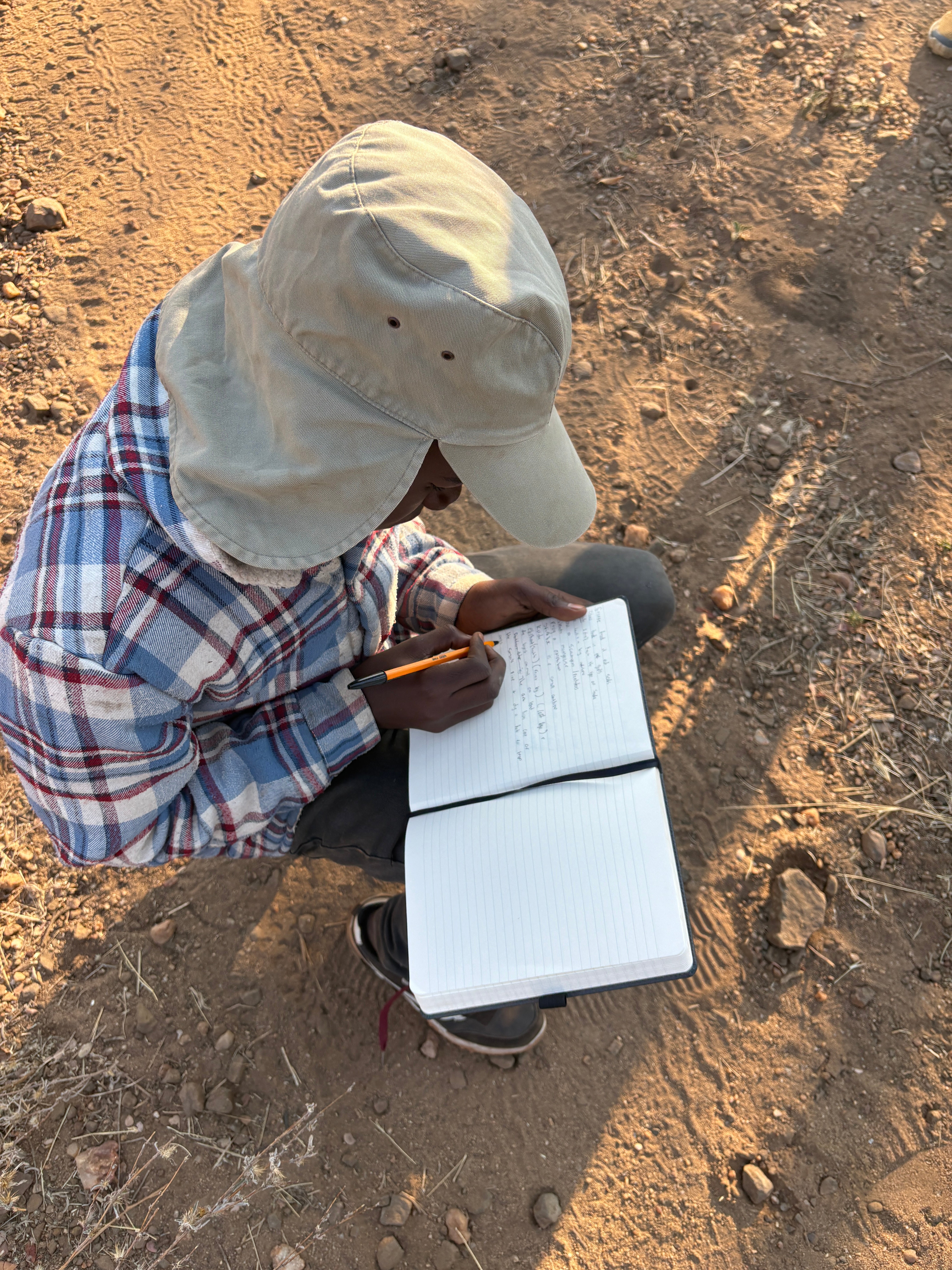
You do not need to be a scientist or artist. You can write down what you see on a walk, sketch a leaf, describe the weather, note the birds you hear, or record changes in a tree across seasons.
The Wildlife Collection fits this beautifully because of its animal-inspired covers and versatile formats. A pocket-sized Wildlife notebook can become a daily observation companion, while a larger format can hold longer notes, sketches, or seasonal reflections.
Example:
Pick one place you pass often and observe it once a week. Write down three things that changed: light, color, sound, movement, plants, people, or weather. Over time, the page becomes a record of attention.
5. Bullet Journaling
Bullet journaling combines creativity with structure.
It can include monthly spreads, habit trackers, mood trackers, project pages, and weekly planning. It is creative because you can design the system yourself, but practical because it helps organize daily life.
The Dingbats* Earth Collection is the strongest fit here because it is built for structured journaling. Its dotted pages, numbered pages, index pages, key pages, and future-log-style planning features make it ideal for people who want a notebook that supports both planning and expression.
Example:
Create a simple monthly page with three sections: what to focus on, what to track, and what to remember. Keep it minimal at first. A bullet journal works best when it supports your life rather than becoming another task.

6. Color Palette Collecting
Color palette collecting is a simple creative hobby that trains your eye to notice combinations in everyday life.
A palette can come from anything: a café interior, a flower arrangement, a sunset, a product label, a plate of food, or the colors someone is wearing. You can record the colors, name the mood, and write where you saw them.
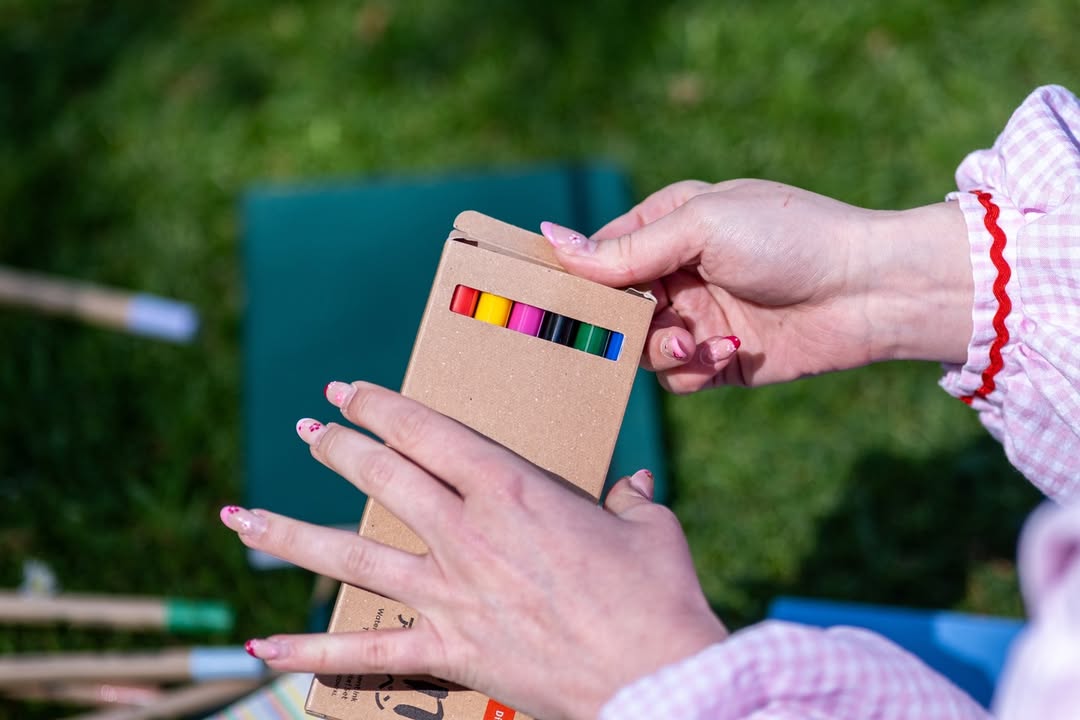
The Dingbats* Pro Collection works especially well for this because its 160gsm mixed media paper can support swatches, markers, brush pens, and layered color testing. For lighter documentation, the Wildlife Collection can also work as a place to note color combinations and inspiration.
Example:
Create a page titled “Colors I Noticed This Week.” Add five small swatches and label them: olive green from a shopfront, soft cream from a coffee cup, dark brown from a wooden table, pale blue from the sky, and deep red from a fruit stand. Over time, this becomes a personal reference library for creative projects.
7. Pattern and Texture Studies
Pattern and texture studies are a creative way to observe the world more closely.
Instead of drawing full scenes, you focus on small details: the texture of a leaf, the pattern on a tile floor, the shape of shadows, the grain of wood, or the lines on fabric. This makes creativity feel more approachable because you are not trying to create a finished artwork. You are simply collecting details.
The Dingbats* Pro Collection is the strongest fit for this because its thicker paper supports pencil, fineliner, markers, and layered studies. The Wildlife Collection can also work well for quick observations, especially in plain or dotted formats.
Example:
Choose one texture each day for a week and recreate it on the page. Try stone, water, bark, linen, glass, metal, or leaves. Add a few notes about where you saw it and what it made you think of.
8. Collage and Junk Journaling
Collage and junk journaling turn everyday scraps into creative pages.
Receipts, tickets, tags, packaging, notes, stickers, pressed flowers, photos, and paper scraps can become part of a visual story. This is a strong hobby for people who enjoy memory keeping but do not want to follow a traditional scrapbook format.
The Pro Collection is the best fit because collage often involves glue, layering, drawing, and heavier page use. The 160gsm paper gives more stability for creative build-up.
Michaels’ 2026 trend coverage also points to memory keeping as a rising craft direction, with searches for junk journaling up 63% year over year and vision boards up 61%.
Example:
Make one page from a single day using only small physical pieces: a receipt, a wrapper, a note, a color, and a sentence. The result becomes a memory page without needing a long entry.

9. Creative Planning
Creative planning is what happens when ideas need structure.
It is useful for campaigns, personal projects, home ideas, product concepts, recipes, content plans, or anything that starts messy and needs to become real.
The Earth Collection works well for turning ideas into steps, while the Pro Collection works well for mapping and visual direction. Many people benefit from using both: Pro for the concept, Earth for the plan.
Example:
If you are planning a creative project, use Pro to sketch the mood and Earth to break the project into deadlines, materials, and next steps.
10. Poetry or Short-Form Writing
Poetry is one of the most accessible creative hobbies because it does not require long pages.
A poem can begin with one image, one feeling, one overheard phrase, or one memory. Short-form writing also works well for people who do not want to commit to long writing sessions.
The Wildlife Collection works well here because it supports both casual writing and more intentional drafting. A lined Wildlife notebook can hold poems cleanly, while a plain or dotted format gives more freedom for spacing and shape.
Example:
Write a poem using only things you noticed today: a color, a sound, a smell, a texture, and one line of dialogue.
11. Recipe Notes and Food Experiments
Cooking can become a creative hobby when you start documenting your experiments.
A notebook can hold recipe tweaks, flavor combinations, plating ideas, grocery notes, or memories attached to meals. It turns cooking into an ongoing creative process rather than a one-time activity.
The Wildlife Collection works well for everyday recipe notes, while Earth can help organize weekly meals, ingredient lists, and seasonal planning.
Example:
Write down one recipe you made, what you changed, what worked, and what you would do differently next time. Over time, the notebook becomes your personal food archive.

12. Hand Lettering and Calligraphy Practice
Hand lettering is a creative hobby that combines drawing and writing.
It can be used for quotes, cards, labels, headers, moodboards, or decorative pages. Unlike regular handwriting, lettering focuses on shape, spacing, rhythm, and composition.
The Pro Collection is the best fit because it can support brush pens, markers, and repeated practice more comfortably than thinner paper.
Example:
Choose one word each week and write it in ten different styles. Focus on shape and spacing rather than perfection.
13. Visual Moodboarding
A visual moodboard helps capture a feeling before it becomes a final idea.
It can include color palettes, textures, sketches, words, paper scraps, and references. Moodboarding is especially useful for people working on creative projects, personal style, interiors, branding, or seasonal inspiration.
The Pro Collection is ideal for physical moodboards because of its heavier paper. The Earth Collection can then help organize the direction into next steps.
Example:
Create a “seasonal mood” page using five colors, three words, one quote, and one sketch. This can guide anything from a personal routine to a creative project.

14. Memory Keeping
Memory keeping is different from daily journaling because the goal is preservation.
It might include photos, notes, tickets, receipts, small reflections, or physical scraps from meaningful days. It is less about writing a full entry and more about collecting the pieces that make a moment feel real.
The Pro Collection works well for visual memory pages because it can handle layering and mixed materials. The Wildlife Collection works well for simpler memory notes, captions, lists, and observations. The Earth Collection can help organize monthly memory pages or themed memory logs.
Example:
At the end of each month, create one page titled “Things I Want to Remember.” Add a receipt, a quote, a small sketch, a color, a place, or one sentence from the month. It becomes a creative record without needing to document everything.
15. Personal Field Notes
Field notes can be about anything you are curious about.
Plants. Cafés. Museums. Work ideas. People-watching. Architecture. Travel details. Animals. Sounds. Conversations. A field-notes habit turns ordinary life into something worth observing.
The Wildlife Collection is the natural fit because of its flexible formats and wildlife-inspired identity. It can become a portable notebook for curiosity.
Example:
On your next outing, write down five observations: one thing you saw, one thing you heard, one thing you smelled, one thing you wondered, and one thing you want to remember.
How to Choose the Right Creative Hobby
The right hobby depends on what kind of creative energy you want.
| If You Want… | Try This | Dingbats* Fit |
|---|---|---|
| More calm | Watercolor journaling, nature observation | Pro or Wildlife |
| More structure | Bullet journaling, creative planning | Earth |
| More expression | Creative writing, poetry, hand lettering | Wildlife or Pro |
| More visual play | Sketching, collage, moodboarding | Pro |
| More observation | Field notes, color palettes, texture studies | Wildlife or Pro |
| More organization | Project planning, recipe notes, creative trackers | Earth |
A good creative hobby should feel inviting. If it feels like homework, make it smaller.
Why a Notebook Helps Creative Hobbies Stick
Creative hobbies often fail when they stay too vague.
“I want to be more creative” is difficult to act on. A notebook makes creativity visible. It gives you somewhere to begin, somewhere to continue, and somewhere to look back.
The Dingbats* Pro Collection helps when the hobby involves sketching, layering, color, collage, or mixed media. The Wildlife Collection helps when ideas arrive in everyday life, whether through writing, observation, lists, or quick notes. The Earth Collection helps when the hobby needs structure, such as planning a creative project, tracking progress, or organizing recurring creative routines.
The notebook is not just where the hobby is recorded.
It is where the hobby becomes real.

Frequently Asked Questions
What are good creative hobbies for adults?
Good creative hobbies for adults include sketching, watercolor journaling, creative writing, collage, bullet journaling, nature observation, color palette collecting, hand lettering, moodboarding, recipe notes, texture studies, and field notes.
What creative hobby is easiest to start?
Creative writing, sketching, and nature observation are among the easiest to start because they require very few materials. A notebook and a pen are enough.
What hobby should I try if I’m not artistic?
Try field notes, recipe notes, creative planning, color palette collecting, or texture studies. Creativity does not always mean drawing or painting. It can also mean noticing, collecting, organizing, and expressing ideas.
Which Dingbats* notebook is best for creative hobbies?
The Pro Collection is best for sketching, watercolor, collage, hand lettering, moodboarding, and mixed media. The Wildlife Collection is best for creative writing, notes, observation, field notes, and everyday ideas. The Earth Collection is best for structured creative planning, bullet journaling, project tracking, and creative routines.
Do creative hobbies help with stress?
Creative activities may support wellbeing by giving people a way to focus, express themselves, and engage with something hands-on. Reviews on creativity and crafts suggest potential mental health and wellbeing benefits, although the evidence varies by activity and study quality.
Our Verdict
Creative hobbies do not need to be productive to be valuable.
They do not need to become polished, profitable, or impressive. They only need to give you a space to make, notice, experiment, and return to yourself.
Dingbats* notebooks support that artistically, through observations, or even via trackers. A creative hobby begins the moment you make space for it. Sometimes, that space is just a blank page.

Leave a comment
All comments are moderated before being published.
This site is protected by hCaptcha and the hCaptcha Privacy Policy and Terms of Service apply.