
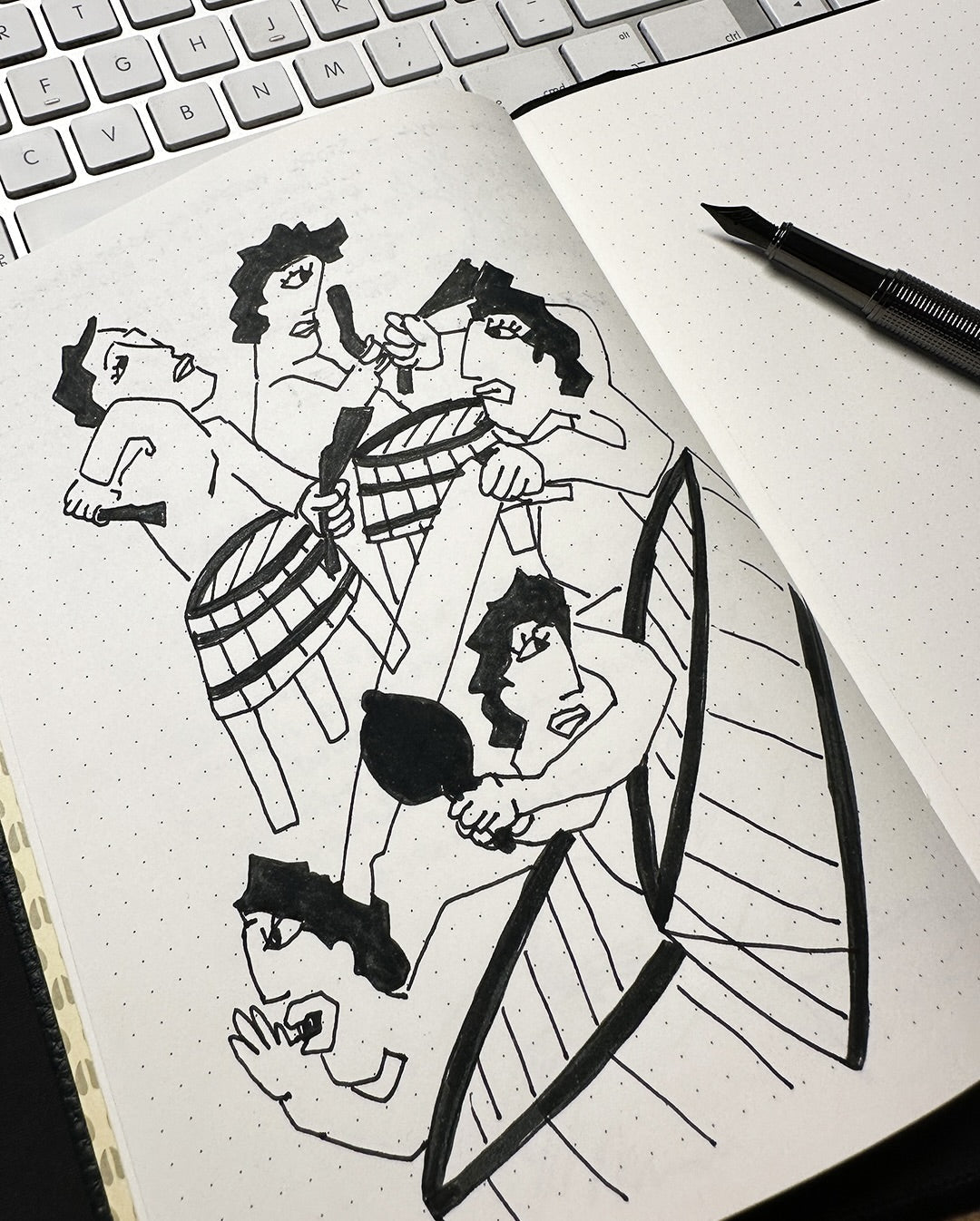
Last updated: May 2026 | A practical guide to notebooks for sketching, brainstorming, and visual thinking
Creative work rarely starts fully formed.
It begins as fragments. A rough sketch. A note in the margin. A shape that doesn’t make sense yet.
This is why the notebook matters more for creatives than for most people. It isn’t just a place to record ideas. It’s where ideas begin.
We compared notebooks based on paper quality, usability, durability, and how well they support creative workflows to determine which ones actually work for designers and creatives.
Our conclusion: the best notebook for creatives is the one that removes limits, not adds them.
Quick Comparison: Notebooks for Creatives
| Notebook Type | Paper | Best For | Creative Freedom | Long-Term Use |
|---|---|---|---|---|
| Mixed media (e.g. Dingbats* Pro) | 160gsm | Sketching, markers, layering | Excellent | Excellent |
| Versatile formats (e.g. Dingbats* Wildlife) | 100gsm | Ideas, notes, light sketching | High | Excellent |
| Structured (e.g. Dingbats* Earth) | 100gsm | Planning creative projects | Medium | Excellent |
| Standard notebooks (70–80gsm) | Thin | Basic notes | Low | Low |
How Creatives Actually Use Notebooks
Creative work is rarely linear. A notebook might contain:
- Sketches
- Notes
- Concepts
- Layout ideas
- Experiments
All on the same page.
This requires a notebook that doesn’t impose limits. One that can handle different tools, different styles, and incomplete ideas.

What to Look for in a Notebook as a Creative
Paper That Can Handle More Than Writing
This is the most important factor.
Thin paper restricts what you can do. Markers bleed through. Layers don’t hold. The page becomes something you have to work around.
This is why creatives gravitate toward thicker paper.
The Dingbats* Pro Collection, with 160gsm mixed media paper, is designed specifically for this. It allows you to sketch, layer, and experiment without worrying about damaging the page.

A Surface That Supports Experimentation
Creative work is not always clean.
You might erase, redraw, layer, or change direction. The paper needs to support that process.
A notebook that feels restrictive discourages experimentation. A notebook that feels stable encourages it.
Freedom in Format
Some ideas are written. Others are drawn. This is where format matters.
While the Pro Collection is ideal for heavy creative work, the Dingbats* Wildlife Collection, with its variety of formats (plain, dotted, grid), works well for combining sketching with notes and structure when needed.
Durability for Daily Creative Use
Creative notebooks are used differently.
They’re opened frequently, carried around, and used in different environments. A notebook that doesn’t hold up interrupts the process.
Durability (just like Dingbats* Notebooks) ensures that the notebook remains a reliable space for ideas over time.
Choosing Based on Your Creative Process
| Creative Style | Best Fit |
|---|---|
| Sketching, illustration, mixed media | Dingbats* Pro |
| Idea development + notes | Dingbats* Wildlife |
| Structured creative planning | Dingbats* Earth |
Each serves a different stage of the creative process.
Real-Life Use Cases
Sketching and Concept Development
Early-stage ideas often begin visually. Rough sketches, shapes, and layouts require paper that can handle repeated changes and different tools. The Dingbats* Pro Collection supports this without limitation.
Brainstorming and Idea Mapping
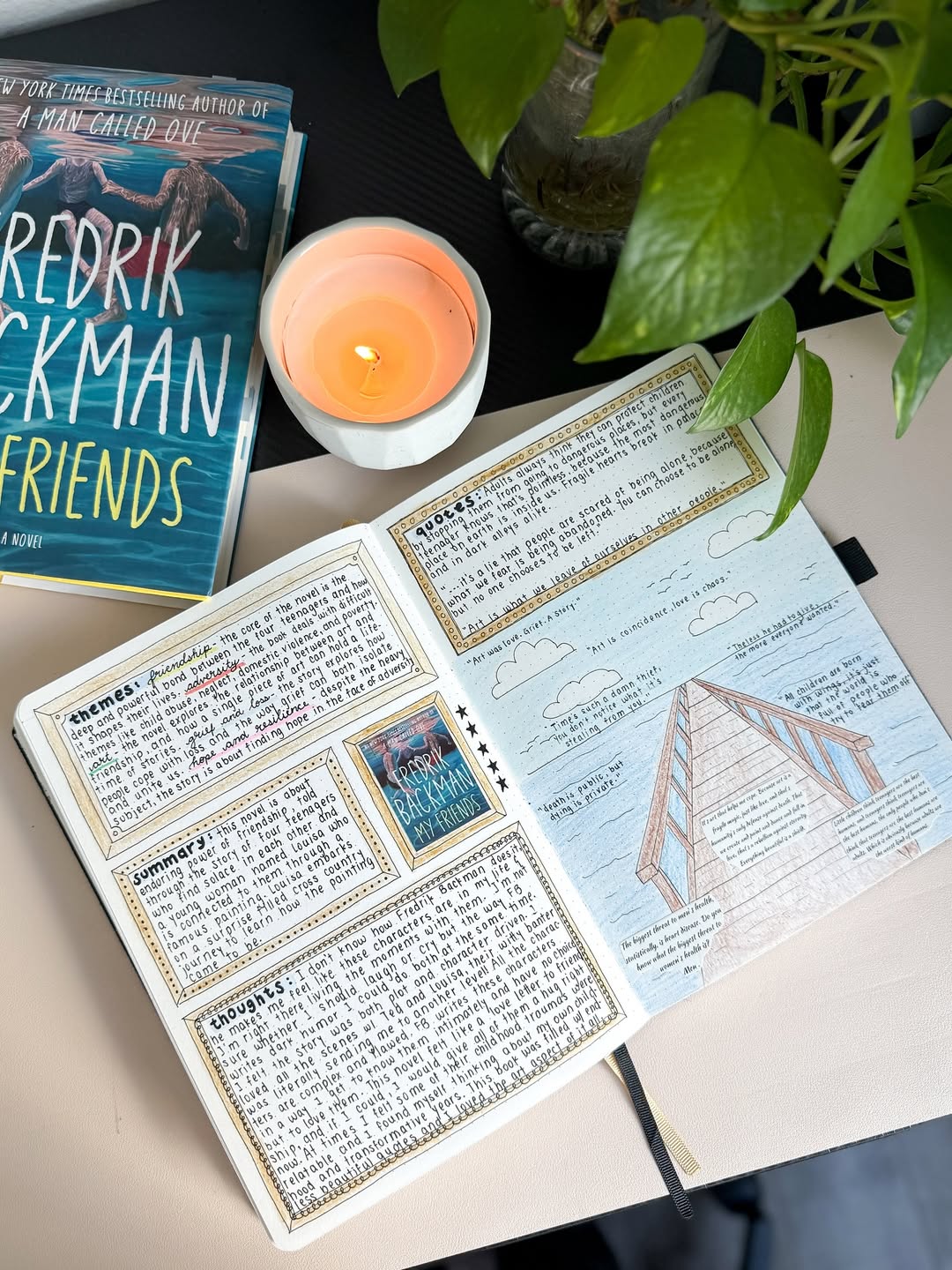
Ideas often develop through a mix of writing and drawing. The Dingbats* Wildlife Collection, with its different formats, allows you to combine both naturally.
Planning Creative Projects
Turning ideas into structured work requires clarity. The Dingbats* Earth Collection provides a framework for organizing creative output without restricting the thinking process.
Paper Comparison for Creative Work
| Paper Type | Experience | Best Use |
|---|---|---|
| 70–80gsm | Restrictive, bleeds | Basic notes |
| 100gsm (Dingbats* Wildlife & Earth) | Balanced | Ideas + light sketching |
| 160gsm (Dingbats* Pro) | Thick, stable | Full creative work |
Why Most Notebooks Don’t Work for Creatives
The issue is limitation.
A notebook that:
- Can’t handle different tools
- Restricts how you use the page
- Feels fragile
Prevents ideas from developing freely. Creatives need space to experiment without consequences.
Comparison: Cheap vs High-Quality Notebooks
| Feature | Cheap Notebook | Dingbats* Notebook |
|---|---|---|
| Paper | Thin, limiting | Thick, supportive |
| Creative Freedom | Low | High |
| Durability | Short-term | Long-term |
| Usability | Restricted | Multi-purpose |
Frequently Asked Questions
What is the best notebook for creatives in 2026?
A notebook with thick paper (160gsm), durable construction, and a format that supports both writing and drawing.
Is 100gsm enough for creative work?
For light sketching, yes. For markers, layering, or mixed media, 160gsm is recommended.
Should creatives use structured notebooks?
Only for planning. Most creative work benefits from open formats.
Can one notebook handle everything?
It depends on your process. Many creatives use a combination of flexible and mixed media notebooks.
Our Verdict
The best notebook for creatives is not the one with the most features. It’s the one that removes limitations.
Dingbats* notebooks stand out by supporting different stages of creativity, from early ideas to fully developed concepts, through the Pro, Wildlife, and Earth collections.
Creative work is unpredictable. Your notebook should be able to handle that.

Leave a comment
All comments are moderated before being published.
This site is protected by hCaptcha and the hCaptcha Privacy Policy and Terms of Service apply.