
Last updated: May 2026 | A practical guide to choosing the right notebook format based on how you think and write
Choosing a notebook format seems simple. Until you actually have to choose one.
Dotted, lined, grid, or plain all look similar at first. But once you start using them, the differences become obvious. The wrong format can make writing feel restrictive. The right one makes it effortless.
This guide breaks down each format based on real use, so you can choose the one that actually works for you.
Quick Comparison: Notebook Formats at a Glance
| Format | Structure | Best For | Flexibility | Learning Curve |
|---|---|---|---|---|
| Lined | High | Writing, journaling | Low | Easy |
| Dotted | Medium | Bullet journaling, mixed use | High | Medium |
| Grid | High | Precision, layouts, diagrams | Medium | Medium |
| Plain | None | Sketching, free thinking | Very high | Easy |
Lined Notebooks: The Most Familiar Format
Lined notebooks are the most widely used.
They provide clear structure, making them ideal for writing in full sentences, journaling, or note-taking. There’s no need to think about alignment or spacing. You simply write.
However, this structure can also be limiting. Lined pages make it harder to sketch, create layouts, or mix different types of content on the same page.
For those who primarily write and prefer simplicity, lined notebooks remain a reliable choice.
Within the Dingbats Wildlife Collection, lined formats are commonly used for everyday journaling and structured writing, especially for those who want clarity without complexity. The Dingbats* Pro Collection also offers lined formats for those who wish to use heavy art tools in a structured manner.

Dotted Notebooks: The Most Versatile Option
Dotted notebooks sit between structure and freedom.
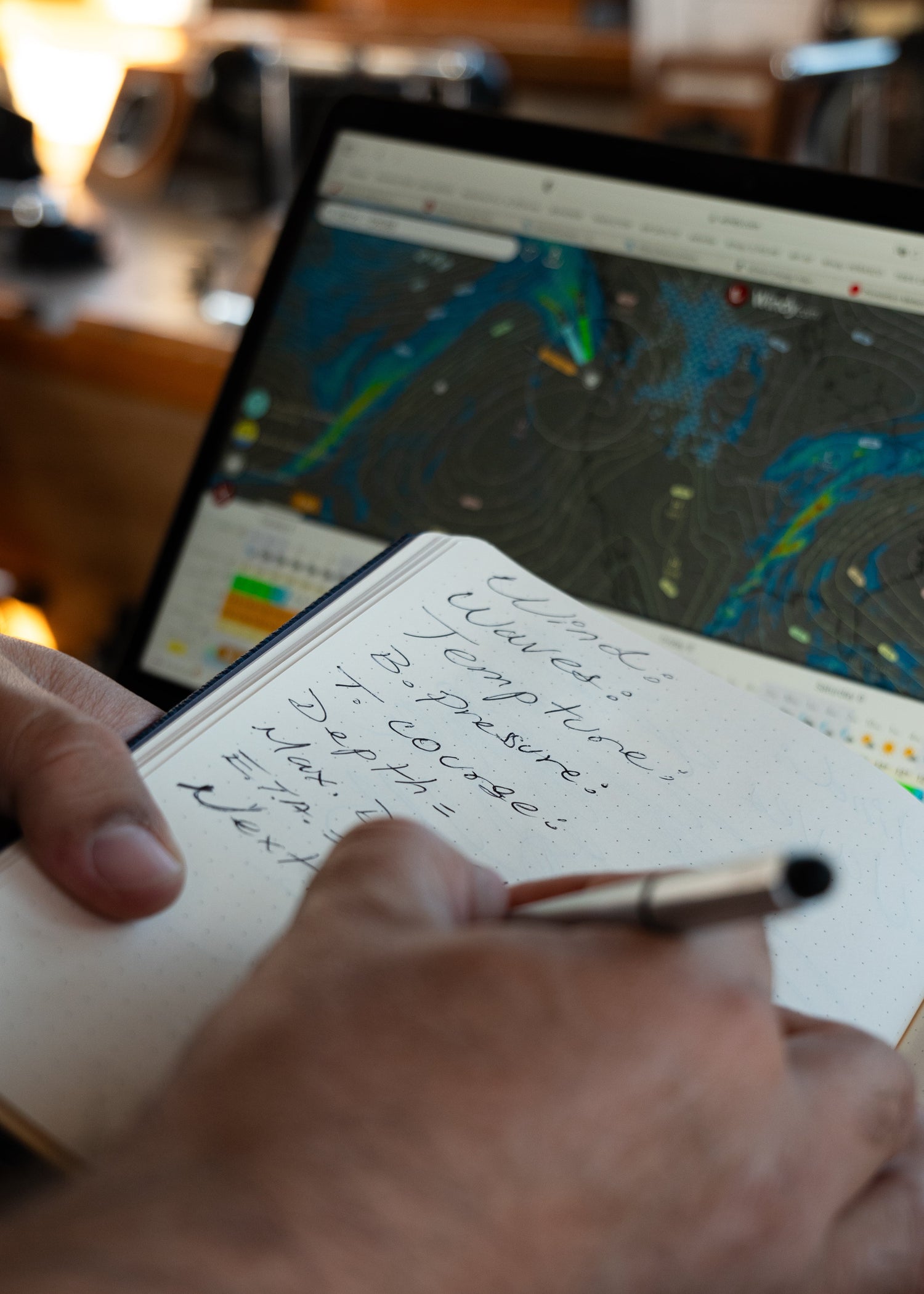
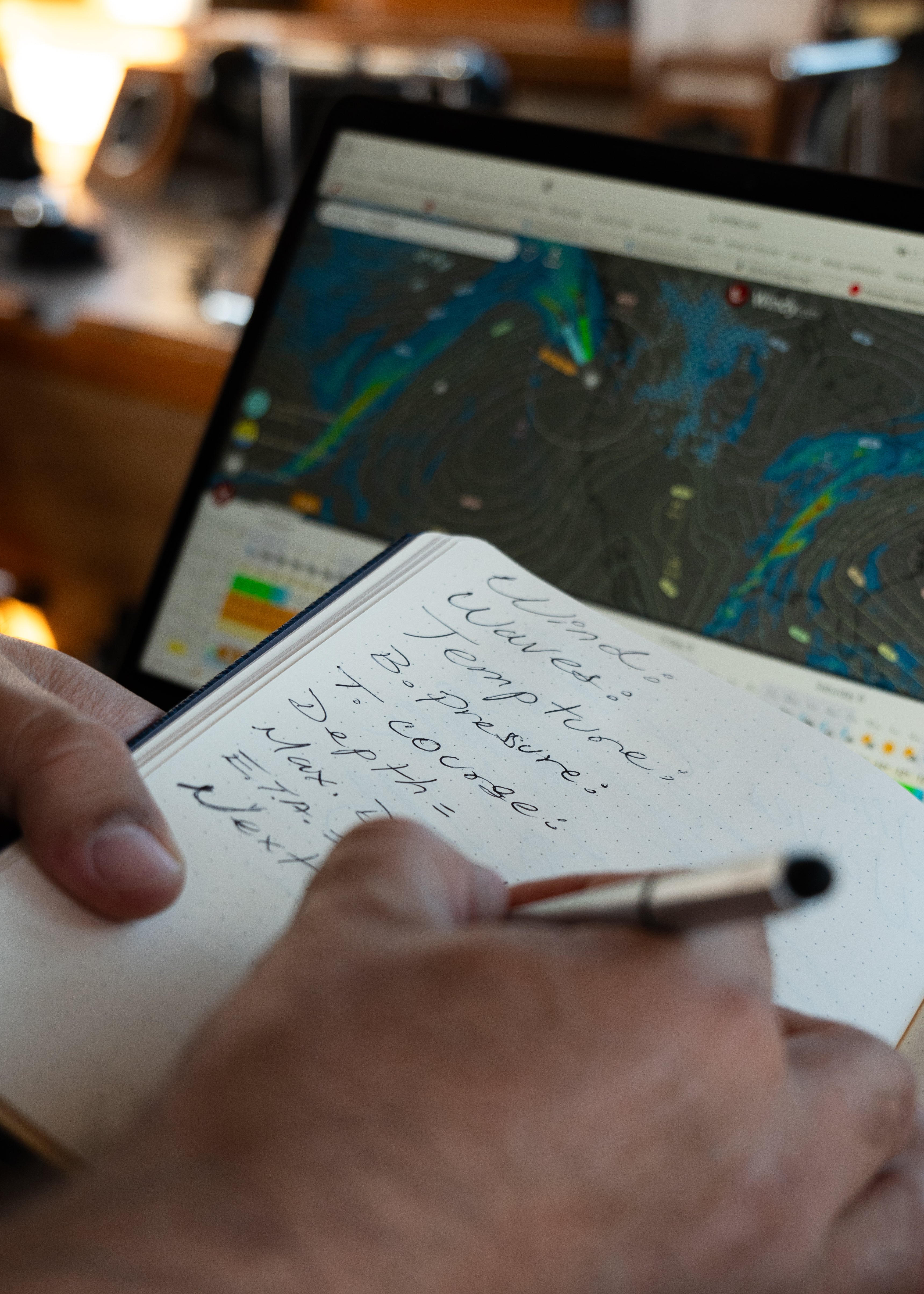
The dots provide guidance without being visually overwhelming. You can write in straight lines, create layouts, or use the page more freely without being restricted.
This is why dotted notebooks are popular for:
- Bullet journaling
- Mixed use (notes, ideas, lists)
- Flexible layouts
Many people find dotted formats easier to stick with over time because they adapt to different needs.
All of the Dingbats* Collections offer dotted formats across different designs, making it one of the most versatile options for people who don’t want to commit to a single way of using their notebook.

Grid Notebooks: Built for Precision
Grid notebooks provide full structure.
They are ideal for:
- Diagrams
- Technical notes
- Layouts that require alignment
- Data organization
The grid makes spacing consistent, which is useful for visual organization. However, it can feel restrictive for writing or reflective use.
For those who need precision, grid works well. For general use, it can feel too rigid.
Within the Dingbats* Wildlife Collection, grid formats are often chosen by users who want structured pages for planning or technical thinking.
Plain Notebooks: Complete Freedom
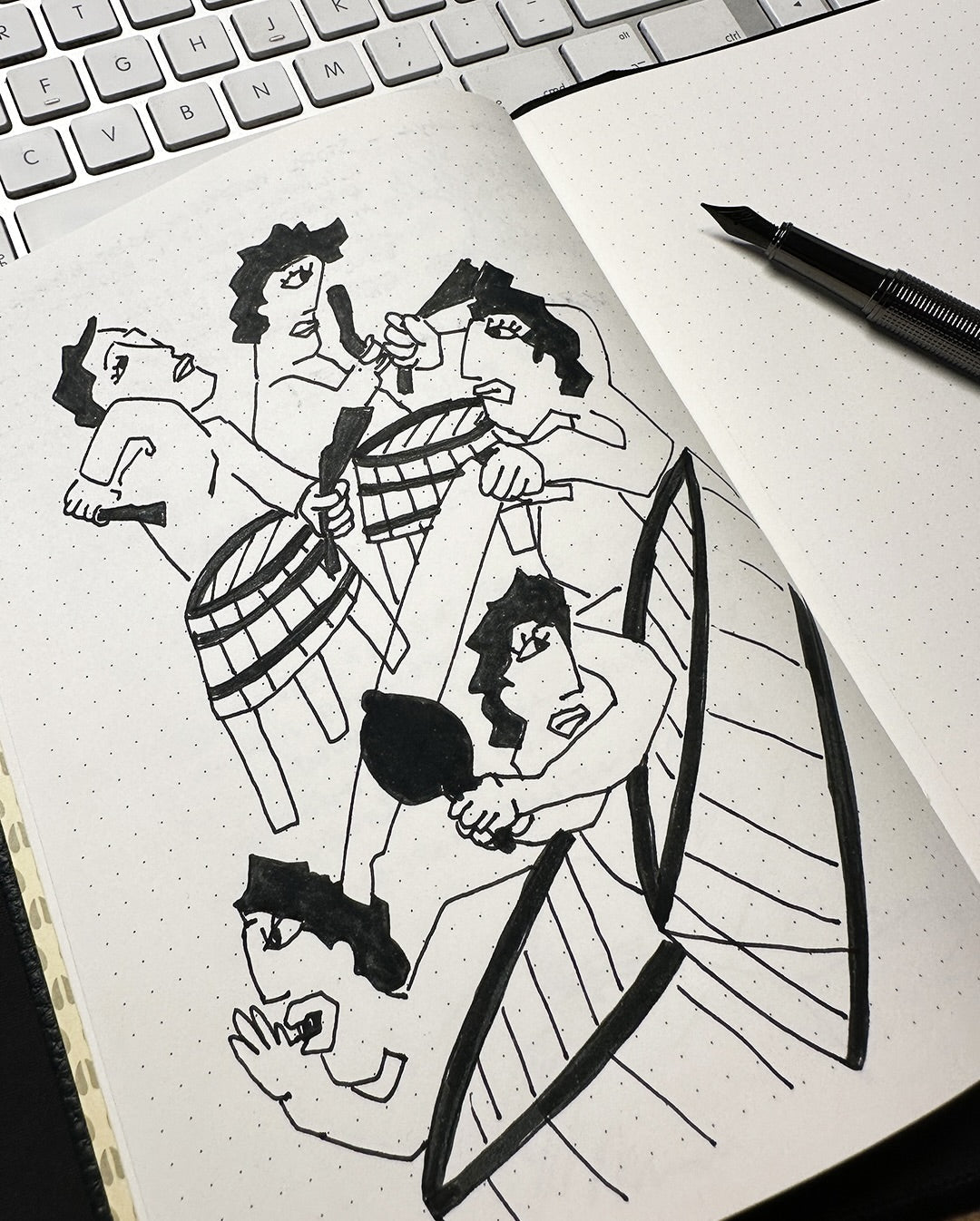
Plain notebooks remove all structure.
This makes them ideal for:
- Sketching
- Brainstorming
- Visual thinking
- Free writing
Without lines or guides, the page becomes completely open. For some, this is liberating. For others, it can feel overwhelming.
Plain formats work best when combined with strong paper quality. The Dingbats* Pro Collection, with its 160gsm paper, is particularly suited for this kind of unrestricted use, especially for creatives.

How to Choose Based on How You Think
The right format depends less on the notebook and more on you.
| Thinking Style | Best Format |
|---|---|
| Structured, linear thinking | Lined |
| Flexible, mixed thinking | Dotted |
| Technical, precise thinking | Grid |
| Visual, creative thinking | Plain |
If you’re unsure, dotted is often the safest starting point because it balances structure and flexibility. Check out all of the different notebook formats from Dingbats*.
Real-Life Use Cases
Journaling and Writing
Lined and dotted formats work best here (especially the Dingbats* Wildlife Collection). Lined provides clarity, while dotted allows more flexibility.
Planning and Organization
Dotted (like the Dingbats* Earth Collection) and grid formats are ideal for layouts, lists, and structured thinking.
Creative Work and Sketching
Plain pages are best, especially when paired with thicker paper like the Dingbats* Pro Collection.
Everyday Mixed Use
Dotted formats within the Dingbats* Wildlife Collection are often the most practical choice, as they allow multiple types of content in one place.

Why the Wrong Format Leads to Abandonment
Many people stop using notebooks because the format doesn’t match how they think.
A format that is:
- Too structured → feels restrictive
- Too open → feels overwhelming
Creates friction. And friction leads to inconsistency.
Paper Still Matters (Regardless of Format)
Format is important, but paper quality determines how usable the notebook is.
| Paper Type | Experience | Best Use |
|---|---|---|
| 70–80gsm | Shows through, limiting | Basic notes |
| 100gsm (Dingbats* Wildlife & Earth) | Smooth, balanced | Everyday use |
| 160gsm (Dingbats* Pro) | Thick, stable | Creative work |
A good format with poor paper still leads to a bad experience.
Frequently Asked Questions
Which notebook format is best overall?
Dotted is the most versatile and works for most people.
Is dotted better than lined?
It depends on your use. Dotted offers more flexibility, while lined is easier for straightforward writing.
Are grid notebooks good for journaling?
They can be, but they are better suited for structured or technical use.
Should beginners use lined or dotted?
Lined is easier to start with, while dotted offers more long-term flexibility.
Our Verdict
There is no single “best” notebook format. The right choice depends on how you think, write, and use your notebook.
Dingbats* notebooks stand out because they offer all formats within the Wildlife Collection, allowing you to choose what fits you best, while the Earth Collection provides structure and the Pro Collection supports creative freedom.
The right format doesn’t just make writing easier. It makes it more likely to happen.

Leave a comment
All comments are moderated before being published.
This site is protected by hCaptcha and the hCaptcha Privacy Policy and Terms of Service apply.