
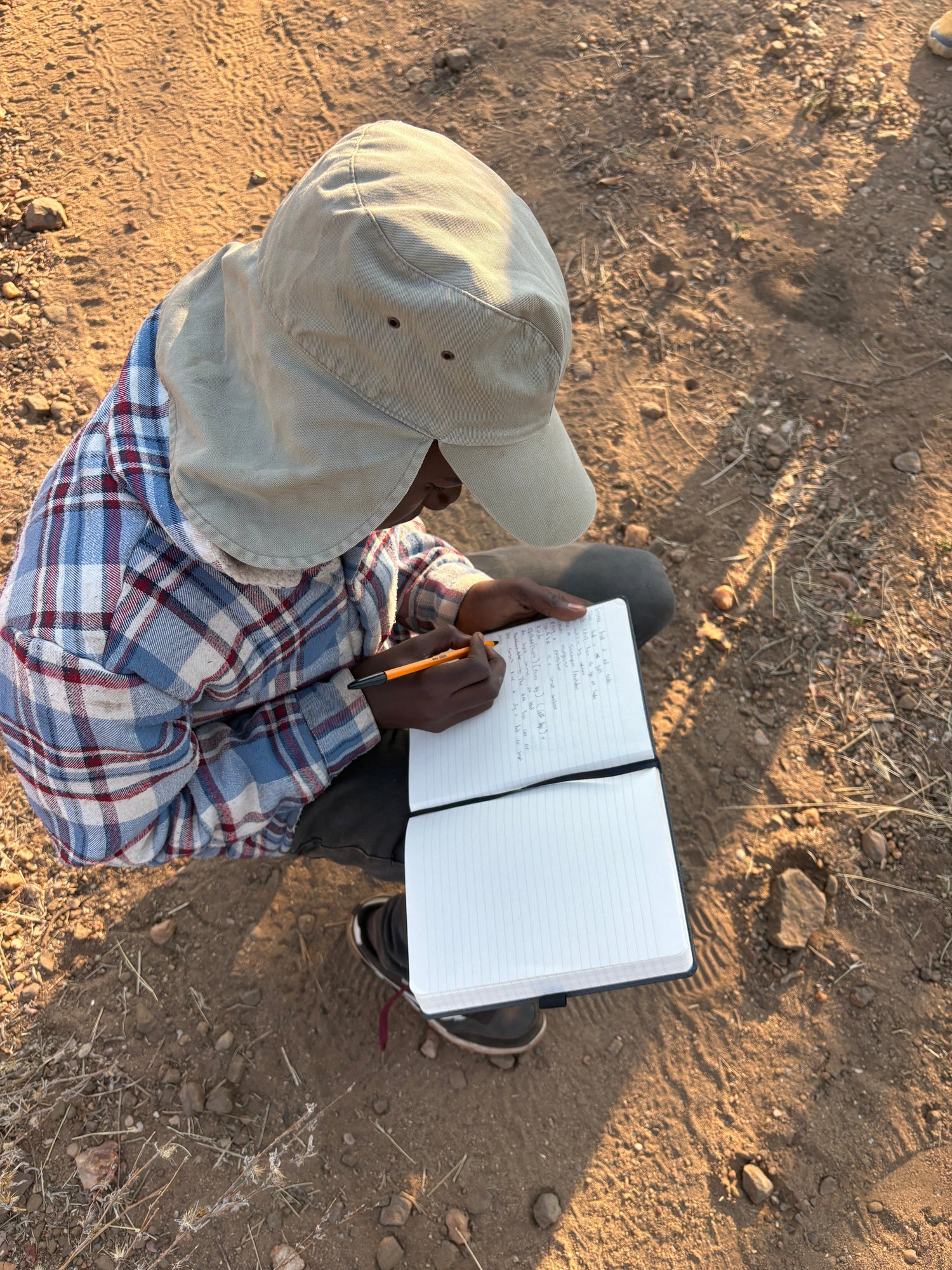
Last updated: May 2026 | A practical guide to using your notebook to focus your goals, build routines, and stay consistent in work, sport, study, and creativity
“Locking in” is everywhere right now.
People use it when they want to focus on a goal, commit to a routine, or finally stop drifting through the things they said they wanted. It shows up in studying, work, fitness, creative projects, and especially sports.
In sports, locking in is not just motivation. It is preparation. An athlete does not perform well because they “feel inspired” on the day. They perform because they trained the movement, reviewed the mistakes, built the routine, managed the nerves, and knew what to focus on when pressure arrived.
The same principle applies outside sport.
You do not lock in by becoming intense for three days. You lock in by creating a system you can return to.
A notebook helps because it turns vague goals into visible actions. It gives you one place to define the goal, track the process, review progress, and reset when things do not go perfectly.
Quick Overview: How to Lock In Using a Notebook
| Lock-In Step | What It Means | Best Dingbats* Fit |
|---|---|---|
| Define the goal | Decide what you are focusing on | Earth Collection |
| Build the routine | Turn the goal into repeatable actions | Earth Collection |
| Track performance | Record progress, patterns, and lessons | Earth or Wildlife Collection |
| Reflect after effort | Review what worked and what needs adjusting | Wildlife Collection |
| Visualize the outcome | Sketch plans, moodboards, strategy, movement, ideas | Pro Collection |
| Reset after setbacks | Write what interrupted you and what comes next | Wildlife Collection |
The goal is not to make your notebook perfect. The goal is to make your next step clear.
Why Sports Are the Best Example of Locking In
Athletes understand something most people forget: goals need practice systems.
A runner does not write “run faster” and hope it happens. They track distance, pace, recovery, energy, and how each session felt. A footballer does not write “play better” and stop there. They review performance, prepare for different situations, and repeat specific drills. A tennis player does not simply decide to be more confident. They build pre-match routines, focus cues, and reset strategies between points.
This is what locking in really means.
It is not a mood.
It is a method.
Sports psychology has long used goal setting as a performance tool, and research reviews note that goal setting is commonly used in sport and performance contexts because it can support better performance when goals are clear and properly structured.
That is exactly how a notebook should work. It helps you move from:
“I want to improve”
to
“What exactly am I improving, and what am I doing this week?”

The Science: Why Writing Goals Down Helps
A locked-in routine works because it reduces decision-making.
When goals live only in your head, they stay vague. You can reinterpret them every day. You can forget what you promised yourself. You can avoid the uncomfortable part because there is no clear record.
Writing creates a reference point.
Implementation intention research shows that “if-then” plans can improve goal pursuit by connecting a specific situation to a specific action. In simple terms, instead of saying “I’ll train more,” you write, “If it is Monday at 7 AM, then I do my easy run.” That kind of planning helps turn intention into action.
A notebook is the perfect place for these plans because it keeps your goal visible and repeatable.
Step 1: Write the Goal Like an Athlete Would
Most goals fail because they are too vague.
An athlete would never build a training plan around “get better.” They would define the area of improvement.
Instead of:
| Vague Goal | Locked-In Notebook Goal |
|---|---|
| I want to get fit | I will complete 4 training sessions per week for 6 weeks |
| I want to run faster | I will improve my 5K pace by following 2 speed sessions per week |
| I want to be productive | I will plan my top 3 priorities every Monday morning |
| I want to be creative | I will sketch 3 new concepts every Friday |
| I want to read more | I will finish 2 books this month and write notes after each |
The Dingbats* Earth Collection is the strongest fit here because it gives structure. You can create a goal page, weekly tracker, monthly review, and index key pages so your system is easy to revisit.
Notebook Example: The Lock-In Goal Page
Use one page in your Earth notebook and write:
| Prompt | Example |
|---|---|
| My focus | Improve my running consistency |
| Why it matters | I feel better when I train with structure |
| Weekly action | 3 runs + 2 strength sessions |
| Review day | Sunday evening |
| Success looks like | I followed the plan 80% of the time and recovered well |
This is simple, but powerful. It turns the goal into something you can actually act on.
Step 2: Build a Pre-Performance Routine
In sports, routines matter because they help athletes focus before pressure.
A basketball player may have a free-throw routine. A runner may have a warm-up sequence. A swimmer may follow the same mental checklist before a race. The purpose is not superstition. It is consistency.
Sport psychology research has examined mental skills such as goal setting, routines, visualization, and focus as part of performance preparation. A broad review of sport psychology interventions found that psychological skills can have a meaningful impact on athletic performance.
You can apply the same principle to your notebook.
Before studying, training, working, or creating, open your notebook and write a short focus cue.

Notebook Example: Pre-Session Focus Page
| Before You Start | Write This |
|---|---|
| Training | Today’s focus: controlled pace, relaxed shoulders, strong finish |
| Work | Today’s focus: finish the proposal draft before checking anything else |
| Study | Today’s focus: understand chapter 3, not just read it |
| Creative work | Today’s focus: generate options, not judge them yet |
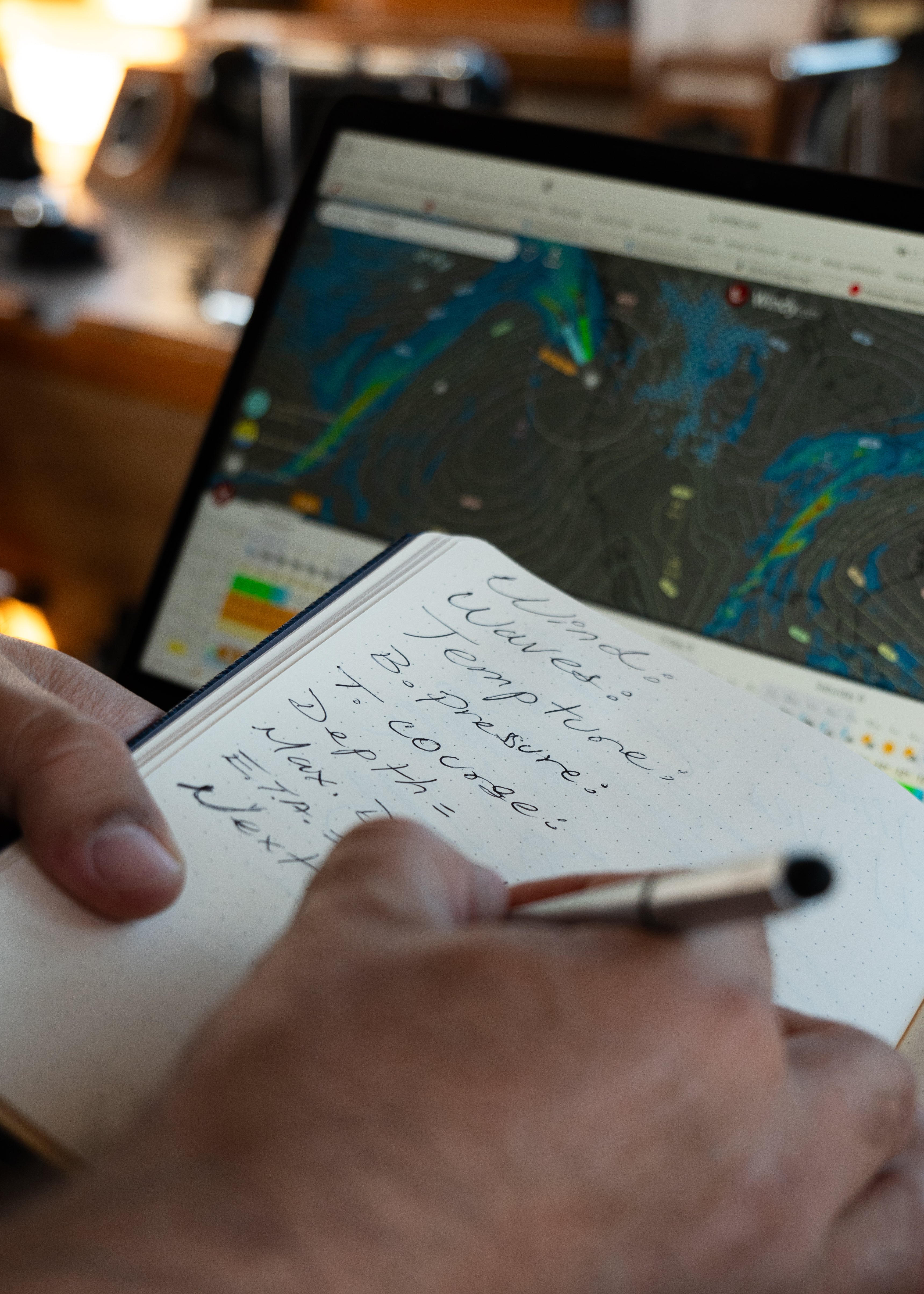
The Wildlife Collection works well here because it is ideal for quick notes, daily focus cues, and loose reflection. Its different sizes and rulings make it easy to use as an everyday lock-in notebook.
Step 3: Track the Process, Not Just the Result
Athletes do not only track wins. They track the process that leads to performance.
A runner might track sleep, pace, energy, effort, and pain. A lifter might track sets, reps, weight, and form. A team player might reflect on decision-making, communication, and focus.
This matters because results can be inconsistent. Process gives you something to improve.
Sports Lock-In Tracker Example
| Date | Session | Focus | How It Felt | Lesson |
|---|---|---|---|---|
| May 18 | Tempo run | Stay controlled | Heavy legs | Need easier warm-up |
| May 20 | Strength | Glutes + core | Strong | Add same routine next week |
| May 22 | Easy run | Recovery pace | Good | Sleep helped |
The Earth Collection works well for this because you can build repeatable trackers and review them weekly. The Wildlife Collection also works if you prefer writing reflections in paragraphs or lists rather than tables.
Step 4: Use Reflection to Improve Faster
Locking in does not mean pushing blindly.
In sports, improvement comes from review. Athletes and coaches look at what happened, what worked, what failed, and what needs adjustment.
That same habit applies to any goal.
At the end of a session, write a short review:
| Reflection Prompt | Example |
|---|---|
| What worked today? | I started before I overthought it |
| What got in the way? | I was tired and distracted |
| What should I repeat? | Planning the first step beforehand |
| What should I change? | Start earlier and make the session shorter |
| What is the next action? | Repeat this on Wednesday |
This is where the Wildlife Collection becomes especially useful. It gives space for honest, messy reflection without making everything feel like a spreadsheet.
For athletes, this can be a training reflection. For students, it can be a study review. For creatives, it can be a project debrief. For work, it can be a weekly reset.
Step 5: Visualize the Goal
Visualization is common in sports because athletes often mentally rehearse movements, decisions, and scenarios before performing them. It helps prepare attention and confidence by making the desired action more familiar.
A notebook can make visualization more concrete.
You can draw a race plan, map a project, sketch a routine, or create a visual page for what “locked in” looks like for you.
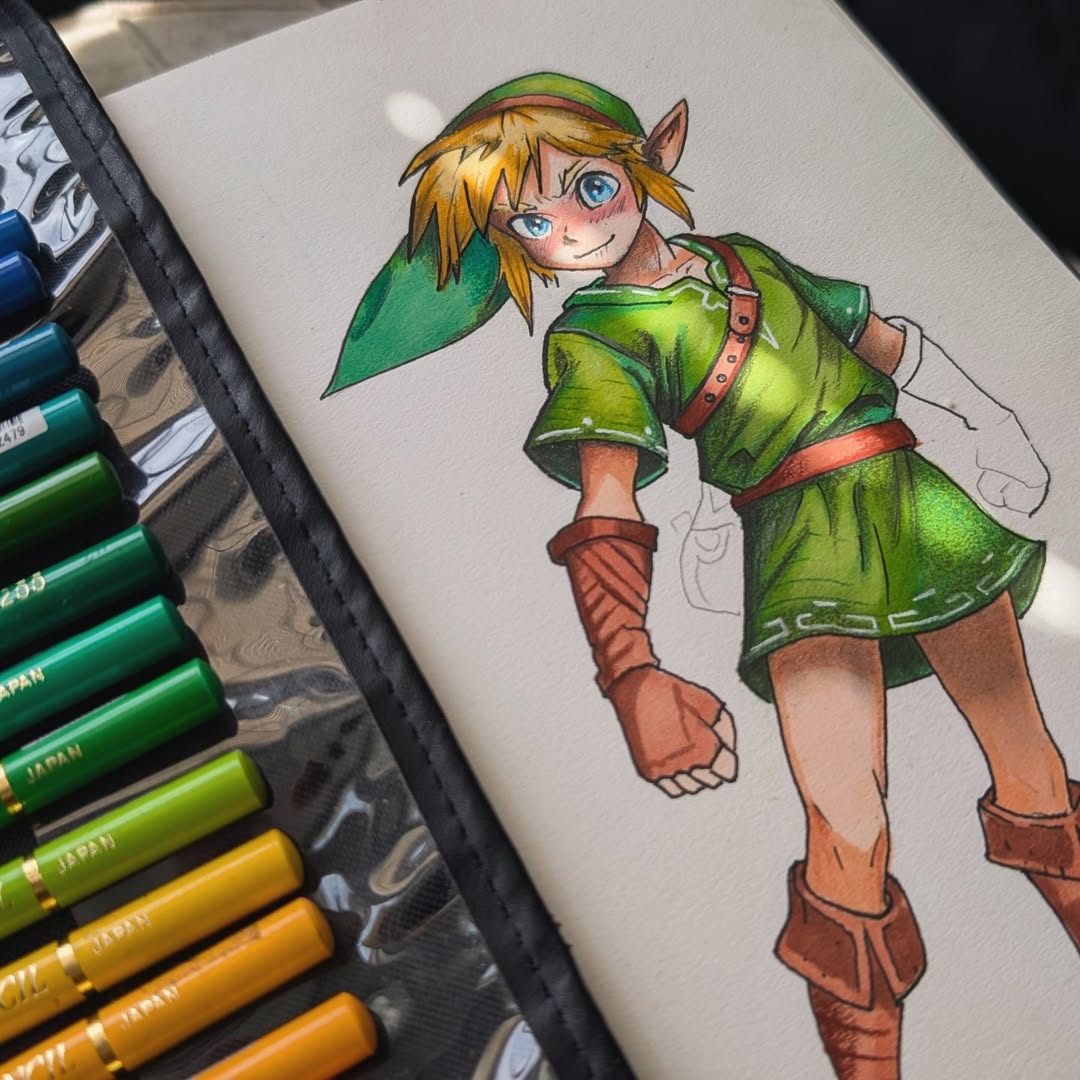
The Dingbats* Pro Collection is best for this because its 160gsm mixed media paper supports sketches, diagrams, markers, brush pens, and visual planning.

Pro Collection Example: Visual Lock-In Page
For sport:
Draw your race route, match-day routine, warm-up flow, or training cycle.
For work:
Sketch a campaign map, project timeline, or priority pyramid.
For creativity:
Create a moodboard page, concept map, or visual direction.
For life:
Draw what a balanced week looks like, with space for work, training, rest, and personal time.
The point is not artistic perfection. It is making the goal visible.
Step 6: Create a Reset Plan for Bad Days
Athletes have bad sessions.
They miss shots, lose matches, feel tired, underperform, or make mistakes. The difference is that strong athletes learn how to reset.
Your notebook should include a reset page because life will interrupt your routine.
Reset Page Example
| Prompt | Your Answer |
|---|---|
| What interrupted me? | I overcommitted this week |
| What am I not going to overreact to? | Missing two sessions |
| What still matters? | Building consistency |
| What is the smallest next step? | Plan tomorrow’s session tonight |
| What can I learn? | I need one rest day before speed work |
This is important because many people quit after the first break in consistency. A reset page teaches you to continue instead of restart.
The Wildlife Collection is ideal for this because it gives you space to process the setback without turning it into failure.
How to Lock In With Each Dingbats Collection*
| Dingbats* Collection | Best Lock-In Role | Example |
|---|---|---|
| Wildlife Collection | Everyday capture, reflection, quick focus notes | Daily focus cues, training reflections, work notes |
| Earth Collection | Goals, routines, trackers, weekly planning | Habit trackers, goal pages, monthly reviews |
| Pro Collection | Visual planning, creative goals, strategy pages | Race maps, moodboards, campaign sketches |
| Reading Journal | Reading goals and learning routines | Track books, lessons, quotes, reflections |
| Dream Journal | Night thoughts, subconscious patterns, future-self reflection | Morning recall, recurring symbols, creative ideas |
This is where Dingbats* becomes more than “a notebook.” Each collection can support a different part of the lock-in process.
Real-Life Relevance
Locking In for Running
Use Earth to plan your weekly runs, track distance, pace, and recovery. Use Wildlife after each run to write how it actually felt. Use Pro if you want to map routes, visualize race strategy, or sketch a training cycle.
A runner’s notebook might include:
“Today’s focus was staying relaxed. Pace was not the goal. I felt heavy at first, but settled after 15 minutes. Next time, I need a longer warm-up before speed.”
That kind of note is valuable because it captures what numbers alone miss.
Locking In for Work
Use Earth for weekly priorities and deadlines. Use Wildlife for meeting notes, ideas, and follow-ups. Use Pro for campaign concepts, visual planning, or creative direction.
A work lock-in page might say:
“This week’s focus: finish the campaign structure before refining visuals. Top 3 priorities: landing page outline, email flow, ad concept.”
That keeps the week focused instead of reactive.

Locking In for Study
Use Earth to plan study sessions and review dates. Use Wildlife for messy notes and summaries. Use Pro for diagrams, mind maps, or visual subjects.
A study lock-in page might say:
“If it is 6 PM, then I review one chapter and write five key takeaways.”
That is an implementation intention: a clear cue connected to a clear action.
Locking In for Creativity
Use Pro to sketch and explore ideas. Use Wildlife to capture inspiration when it appears. Use Earth to turn the idea into deadlines and steps.
This works because creative goals need both freedom and structure. Pro gives the freedom. Earth gives the structure. Wildlife catches the in-between thoughts.

Frequently Asked Questions
What does locking in mean?
Locking in means focusing seriously on a goal and building a routine around it. It is used in sport, study, work, and self-improvement to describe a period of commitment and focus.
How do athletes lock in?
Athletes lock in by using goals, routines, practice plans, performance cues, and post-session reflection. They do not rely only on motivation; they build systems that make focus repeatable.
How can I lock in using a notebook?
Use your notebook to define one goal, write the repeated actions, track progress, reflect after sessions, and create reset pages for when you fall off.
Which Dingbats* notebook is best for locking in?
Use the Earth Collection for structure and tracking, the Wildlife Collection for daily notes and reflection, and the Pro Collection for visual planning and creative goals.
Should I track every detail?
No. Track only what helps you improve. Too much tracking creates pressure. The best tracker is one you can actually maintain.
Our Verdict
Locking in is not about intensity.
It is about focus you can repeat.
Athletes understand this better than anyone. Performance comes from preparation, routine, review, and reset. The same approach works for study, work, creativity, and personal goals.
Your notebook is where that process becomes real.
The Earth Collection helps you define the plan.
The Wildlife Collection helps you capture and reflect.
The Pro Collection helps you visualize and create.
You do not lock in by waiting to feel ready.
You lock in by opening the page and making the next step clear.

Leave a comment
All comments are moderated before being published.
This site is protected by hCaptcha and the hCaptcha Privacy Policy and Terms of Service apply.